News
When an industrial pump or valve fails, the visible problem is often a cracked casing, leaking valve seat, or damaged impeller—but the underlying cause may be dimensional inconsistency, internal porosity, poor material selection, or inadequate inspection during casting. These defects can reduce hydraulic efficiency, create cavitation, accelerate corrosion, and force an unplanned shutdown. For chemical processing, water treatment, power generation, and oil and gas companies, the result can extend far beyond one replacement component: production losses, safety exposure, environmental risk, emergency freight, and damage to customer confidence. This is why Why Precision Casting Is Preferred for Industrial Pump and Valve Components has become a critical sourcing question for engineering and procurement teams.
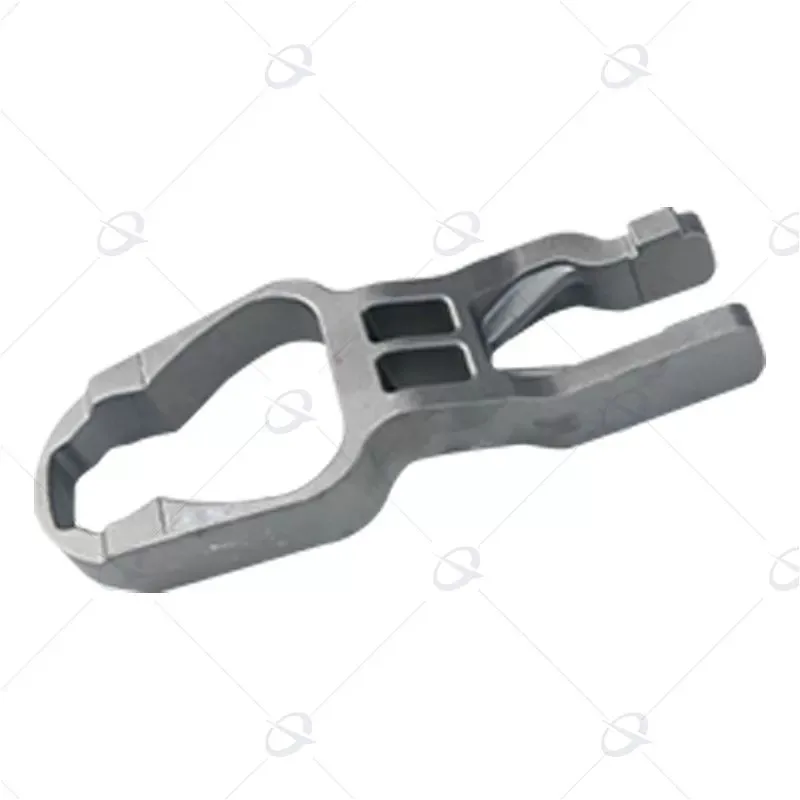
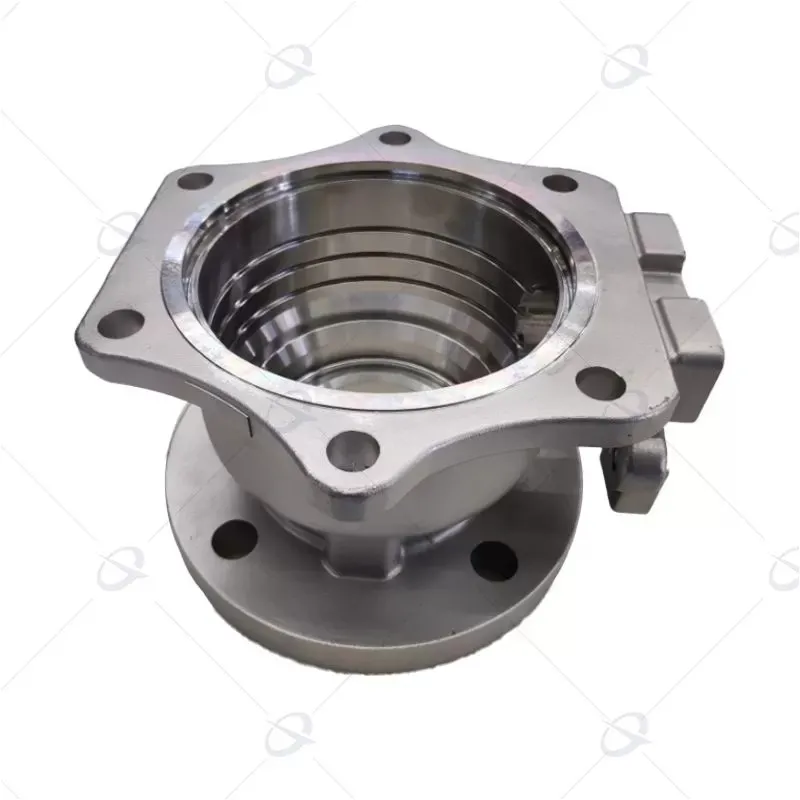
Grande Precision Machinery helps industrial buyers address these risks through engineered Pump and Valve Castings, controlled casting processes, CNC machining, and documented quality inspection. By matching alloy, geometry, tolerances, and testing requirements to the operating environment, precision casting can produce components that are more reliable and easier to integrate into demanding fluid-handling systems.
Pump and valve components operate under combined mechanical, thermal, chemical, and hydraulic stress. A component may need to withstand:
A pump casing or valve body is not simply a shaped piece of metal. Its wall thickness, flow passage, flange alignment, seat location, and machining allowance directly affect performance.
For example, an oversized machining allowance can increase manufacturing cost and material waste. An undersized allowance may prevent the part from reaching the required final dimension. A misaligned passage can increase pressure loss, while shrinkage porosity near a pressure boundary may lead to leakage during hydrostatic testing.
This practical relationship explains Why Precision Casting Is Preferred for Industrial Pump and Valve Components: the process can reproduce complex near-net-shape geometries while preserving the engineering features required for pressure integrity and hydraulic performance.
Traditional casting methods may produce greater variation in wall thickness, draft, parting lines, and machining stock. If the casting is not stable enough, the supplier may need to remove excess material during CNC machining. That increases cycle time and can expose internal defects.
Grande Precision Machinery can establish drawing-based control plans for critical dimensions. Depending on the component and final machining requirement, dimensional control may be specified to 0.01 mm on selected machined features. This does not mean every raw casting dimension is automatically held to 0.01 mm; the final tolerance must be defined according to the drawing, alloy, process, and inspection method.
Pump and valve pressure boundaries are especially sensitive to internal casting discontinuities. Gas porosity, oxide inclusions, hot tears, and shrinkage cavities may remain invisible on the external surface.
These defects can cause:
Riser design, gating simulation, melt cleanliness, pouring temperature, solidification control, and heat treatment all influence the final result. Precision casting is preferred because the process can be engineered around the component’s functional zones rather than relying only on post-casting correction.
A stainless steel valve body used in a chloride-rich process environment has different requirements from a ductile iron pump casing used in municipal water service. Common material families may include:
Material selection should consider chloride concentration, pH, temperature, solids content, pressure class, erosion rate, and required service life. A lower purchase price does not compensate for an alloy that fails prematurely.
A visually acceptable casting may still fail dimensional, chemical, or pressure requirements. Reliable Pump and Valve Castings require a traceable quality system that links the heat number, raw material, process route, heat treatment, inspection records, and final release documentation.
Depending on the customer specification, inspection may include:
Grande Precision Machinery can support inspection plans with 100% visual inspection and 100% dimensional or pressure testing where the purchase specification requires it. The exact inspection scope should be agreed before production rather than assumed after defects appear.
Investment casting and other precision casting methods can form complex internal and external profiles that would be difficult or expensive to produce through fabrication. This is valuable for:
Reducing the number of welded or bolted subcomponents can reduce potential leakage paths and improve structural consistency.
Flow passages influence pump head, efficiency, vibration, and energy consumption. A smoother and more accurate passage can help reduce turbulence and localized pressure loss.
In valve systems, accurate seat geometry and bore alignment support:
Precision casting does not eliminate the need for machining, but it provides a more controlled starting geometry for CNC finishing and inspection.
Near-net-shape production can reduce the volume of metal removed during machining. This can lower:
For repeat orders, controlled tooling and documented process parameters can also improve batch-to-batch consistency. Grande Precision Machinery typically evaluates the casting method, tooling design, machining route, and inspection plan together rather than treating casting as an isolated operation.
Industrial buyers should define applicable standards in the drawing, purchase order, and inspection and test plan. Depending on the product and market, relevant requirements may include:
| Requirement | Common reference | Purpose |
|---|---|---|
| Stainless steel pressure castings | ASTM A351 | Material and manufacturing requirements |
| Corrosion-resistant castings | ASTM A743 | Stainless and alloy casting requirements |
| Carbon steel pressure castings | ASTM A216 | Pressure-containing steel castings |
| Ductile iron castings | ASTM A536 | Mechanical and material classification |
| Valve design and pressure requirements | ASME B16.34 | Valves, flanges, threaded, and welding-end requirements |
| Valve pressure testing | API 598 or ISO 5208 | Shell and seat leakage testing |
| Quality management | ISO 9001 | Process and quality-system control |
| Inspection documentation | EN 10204 | Material and inspection certificates |
These standards do not replace engineering judgment. The correct specification depends on pressure class, temperature, media, design code, end connection, and installation location. A qualified supplier should review the complete technical package before quotation.
Consider a process-water operator that repeatedly experiences leakage from valve bodies after pressure cycling. The immediate assumption may be a seal problem, but an engineering review can reveal several contributing factors:
A revised sourcing plan could specify:
The measurable outcome should be tracked through leakage rate, rejection rate, mean time between replacement, machining hours, and total cost of ownership. This type of controlled comparison demonstrates Why Precision Casting Is Preferred for Industrial Pump and Valve Components more clearly than a simple purchase-price comparison.
The lowest casting quotation may become the most expensive option after all downstream costs are included. A defective pump or valve component can create:
For export buyers, supplier responsiveness is also part of commercial risk management. Grande Precision Machinery can provide technical feedback and quotation support, with a target of 24-hour response for qualified inquiries when the drawing, material grade, quantity, and inspection requirements are complete.
A strong supplier should help the buyer compare total landed cost, including tooling, machining, inspection, packaging, freight, failure exposure, and expected service life.
Ignoring casting quality may appear acceptable when equipment is new or operating below its design load. The risk becomes more serious when business conditions change.
For instance:
Under these conditions, a component that previously “worked well enough” may become a bottleneck or failure point. Porosity, poor alignment, and unsuitable metallurgy do not disappear; they accumulate risk until pressure, temperature, vibration, or corrosion exposes the weakness.
This is the long-term reason Why Precision Casting Is Preferred for Industrial Pump and Valve Components. Precision is not merely a cosmetic improvement. It supports predictable assembly, pressure integrity, material performance, maintenance planning, and lifecycle economics.
Before approving a supplier for Pump and Valve Castings, we recommend asking for evidence in the following areas:
Buyers should also request a casting process review before tooling begins. This review may identify areas requiring modified draft, fillets, feeding support, machining datum changes, or alternative alloy selection.
!
Grande Precision Machinery approaches precision casting as part of a complete manufacturing chain:
This integrated method helps reduce communication gaps between the foundry, machine shop, inspection team, and final customer. It also allows design-for-manufacture feedback before a costly production problem occurs.
The real question is not only Why Precision Casting Is Preferred for Industrial Pump and Valve Components. The more important question is how much operational risk a company is willing to accept from dimensional variation, internal defects, unsuitable metallurgy, and incomplete inspection.
For demanding fluid-handling equipment, well-engineered Pump and Valve Castings can improve pressure integrity, hydraulic performance, machining efficiency, and service reliability. Grande Precision Machinery supports customers with material and process consultation, precision machining, documented inspection, and responsive export-service coordination.
When requesting a quotation, provide the component drawing, alloy, operating medium, pressure and temperature range, annual quantity, tolerance requirements, testing standards, and certification needs. Contact Grande Precision Machinery to review your application and establish a precision casting solution designed for reliable industrial service.