News
News
Home / News/What Materials Are Commonly Used in Pump and Valve Castings

What Materials Are Commonly Used in Pump and Valve Castings

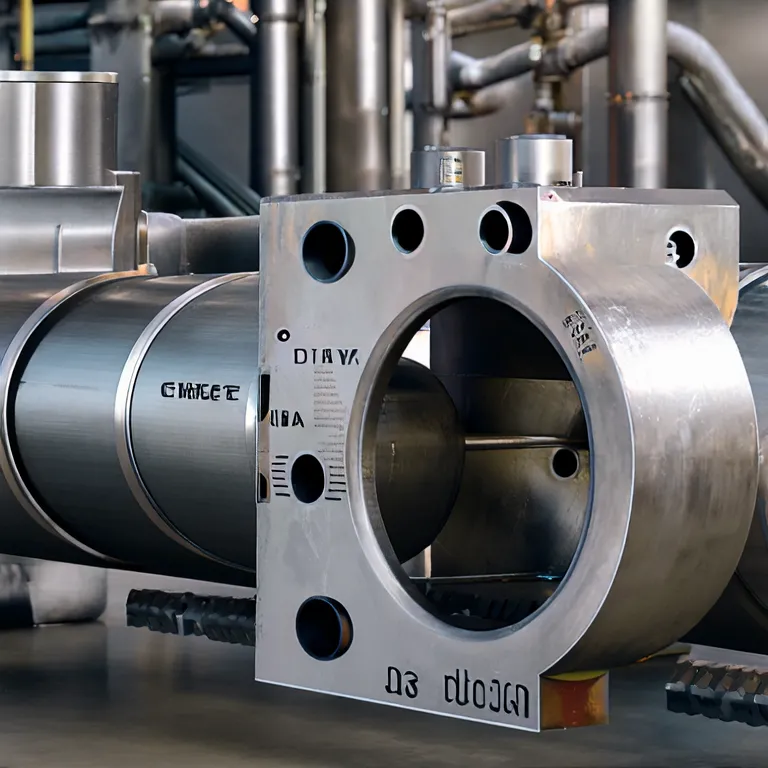
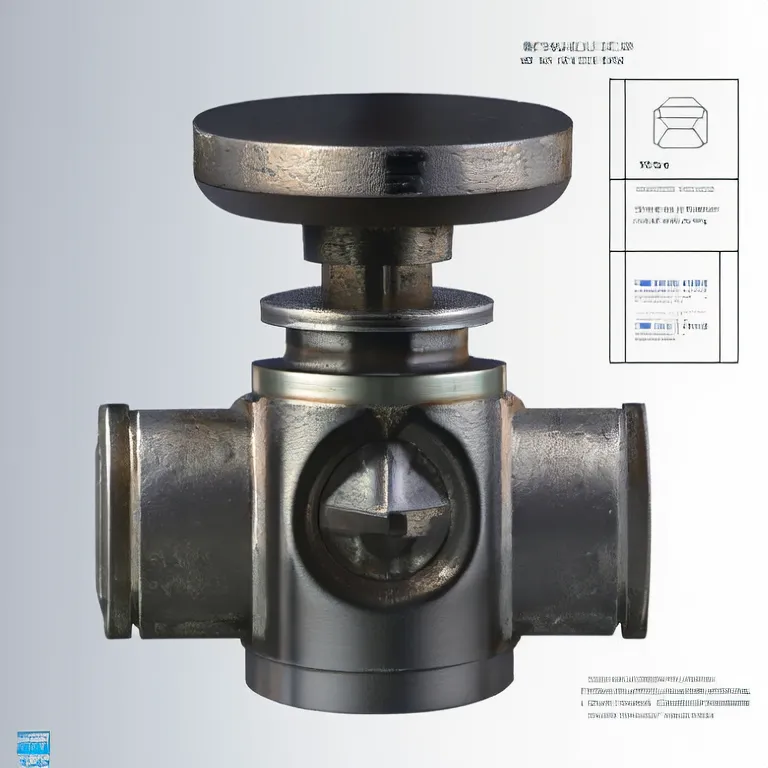
In a world where efficiency and durability are paramount, stainless steel pump and valve castings have emerged as integral components across multiple industries. These castings are designed to handle fluids under various pressures and temperatures, making them crucial in applications such as oil and gas, water treatment, and chemical processing. The transition from conventional materials to stainless steel represents a significant shift in manufacturing techniques and material science, directly addressing common pain points like corrosion resistance, longevity, and system failure. They not only improve operational efficiency but also reduce maintenance costs significantly by decreasing downtime and extending the lifespan of essential equipment.
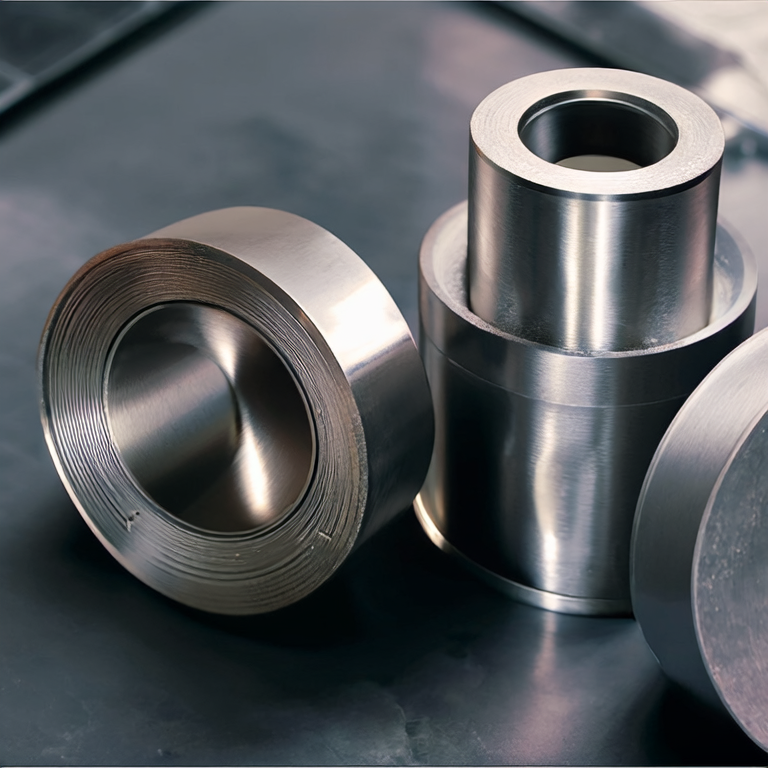
Common Materials Used in Pump and Valve Castings

Definition of Stainless Steel Pump and Valve Castings

Stainless steel pump and valve castings are manufactured by pouring molten stainless steel into molds, allowing it to solidify into a specific shape. This process offers a range of properties that set it apart from other materials.

Industry Term Analysis

  • Casting Process: This involves creating intricate components that can withstand high pressures and corrosive substances. The casting techniques such as sand casting or investment casting allow for complex geometries.
  • Corrosion Resistance: Stainless steel is known for its ability to resist rust and wear, making it ideal for harsh environments.
  • Durability: Components made from stainless steel exhibit high tensile strength, with certain alloys achieving yield strengths exceeding 220 MPa, significantly outperforming traditional materials.

Application Scenario: Industries Utilizing Stainless Steel Pump and Valve Castings

These castings find application in diverse sectors, including but not limited to:

  1. Oil and Gas: Utilizing high-pressure pump castings to transport hydrocarbons safely.
  2. Water Treatment Facilities: Implementing stainless steel valves for optimal control of water flow, ensuring compliance with safety regulations.
  3. Chemical Processing: Employing corrosion-resistant materials to handle a range of aggressive chemicals.
  4. Food and Beverage: Utilizing hygienic pump designs that conform to food safety standards.

Brief Description of Advantages

The significance of stainless steel pump and valve castings lies in their unique advantages:

  • Corrosion Resistance: These components can withstand exposure to harsh chemicals, increasing the lifespan of the equipment significantly.
  • Cost-Effectiveness: While the initial investment may be higher, studies show that stainless steel castings reduce long-term maintenance costs by as much as 45% due to their durability and reduced failure rates.
  • Performance Efficiency: With flow rates improving up to 30% in optimally designed systems, these castings contribute to enhanced operational efficiency.

The combination of these advantages helps organizations to minimize costs while improving operational reliability.

Conclusion: Next Steps for Users

To fully understand the capabilities and advantages of stainless steel pump and valve castings, users are encouraged to consult detailed user guides or professional references from experts like Grande Precision Machinery. Their documentation can offer further insights into choosing the right materials for specific applications, ensuring enhanced performance and reliability.

FAQ

  1. What is the lifespan of stainless steel pump and valve castings?

    • Generally, stainless steel components can last over 15 years with proper care and maintenance, depending on environmental exposure.
  2. How do I choose the right alloy for my application?

    • It's essential to consider the specific chemical exposure, temperature, and pressure conditions. Consulting with a materials engineer is recommended.
  3. What maintenance is required for stainless steel pump and valve castings?

    • Regular inspections to check for corrosion or wear, along with routine cleaning procedures to remove deposits, are advised.
  4. Are there specific standards these components need to meet?

    • Yes, industries often have stringent standards, such as ASTM or ASME, that specify requirements for material qualities and performance.

For a comprehensive understanding of stainless steel castings and how they can fit into your operations, consider exploring additional resources or scheduling a consultation with Grande Precision Machinery to leverage their expertise further.

WANT TO SPEAK TO US?
The quickest way to identify the best solution for your needs is to speak with one of our team of experts. We'll be able to quickly narrow down your options and give you objective advice on the best fit.
Contact Us