News
In modern manufacturing, producing complex metal components with tight tolerances and smooth surface finishes is a constant challenge. Stainless steel precision casting has become a preferred solution for industries that require strength, corrosion resistance, and dimensional accuracy in one integrated process.
For procurement managers, product engineers, and industrial buyers, understanding how stainless steel precision casting works — and when to use it — is essential for cost control, performance reliability, and long-term supplier selection.
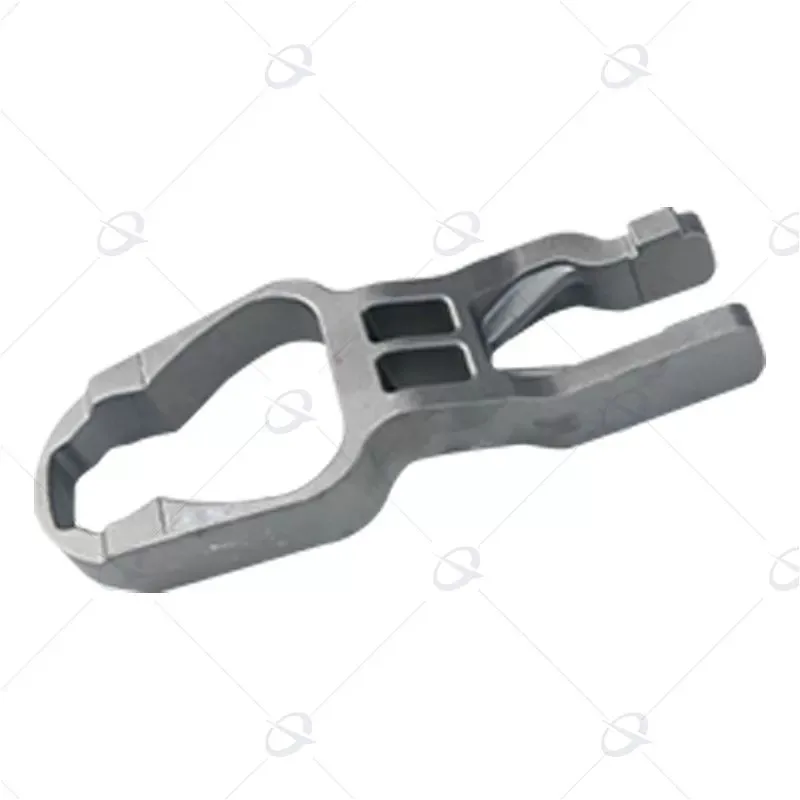
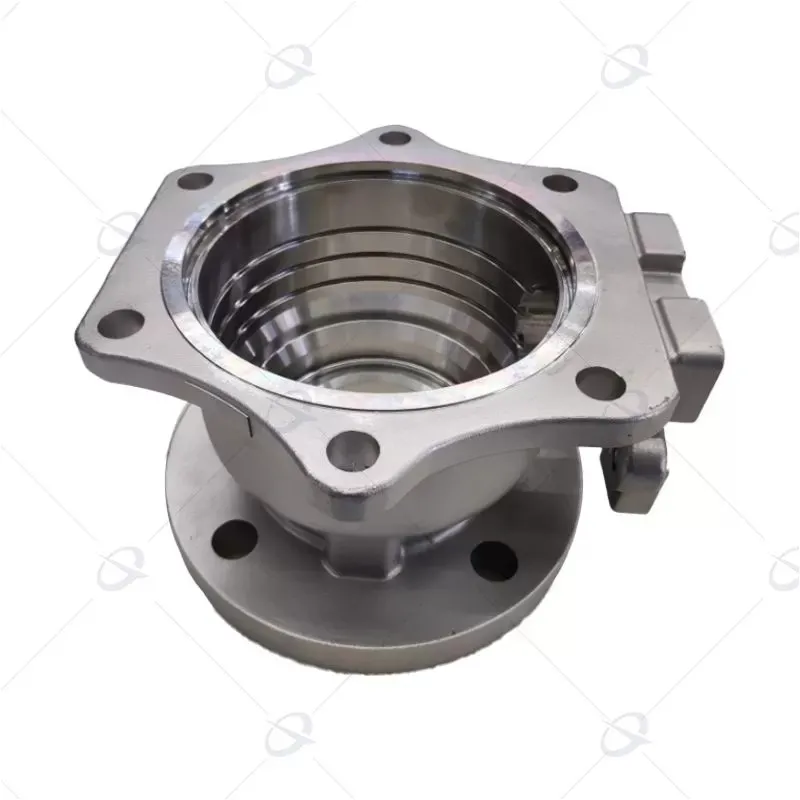
Stainless steel precision casting is a manufacturing process used to produce highly accurate, complex stainless steel components through a controlled mold-based technique. It is commonly associated with investment casting, where a wax model is coated with ceramic material to create a mold.
The process allows manufacturers to produce:
Intricate geometries
Thin-wall structures
Tight tolerances
Smooth surface finishes
Near-net-shape parts requiring minimal machining
Because stainless steel offers corrosion resistance and mechanical strength, precision casting is widely used in demanding industrial applications.

The process involves multiple carefully controlled steps to ensure dimensional accuracy and structural integrity.
Pattern Creation
A wax pattern is created based on the final part design. This pattern replicates every detail of the intended component.
For high-volume production, injection molds are used to produce consistent wax replicas.
Assembly of Wax Tree
Multiple wax patterns are attached to a central sprue to form a “tree.” This allows several parts to be cast simultaneously, improving production efficiency.
Ceramic Shell Formation
The wax tree is repeatedly dipped into a ceramic slurry and coated with fine sand. Each layer dries before the next is applied. This creates a hard, heat-resistant ceramic shell around the wax patterns.
Dewaxing
The ceramic-coated assembly is heated, causing the wax to melt and drain away. This leaves a hollow cavity shaped exactly like the desired stainless steel component.
Molten Stainless Steel Pouring
Molten stainless steel is poured into the preheated ceramic shell. The metal fills the cavity, capturing all details of the original wax model.
Cooling and Shell Removal
Once the metal solidifies, the ceramic shell is broken away. Individual parts are cut from the central sprue.
Finishing and Post-Processing
Final steps may include:
Heat treatment
Surface polishing
Sandblasting
CNC machining (if required)
Quality inspection
The result is a precision-cast stainless steel component ready for industrial use.
Stainless steel offers several key advantages in precision casting applications:
Corrosion Resistance
Ideal for marine, chemical processing, food equipment, and outdoor environments.
High Strength and Durability
Withstands mechanical stress, high pressure, and wear.
Heat Resistance
Certain grades perform well in high-temperature applications.
Hygienic Properties
Widely used in medical devices and food processing due to cleanability.
Buyers often ask: Which grade is best for precision casting?
Common options include:
304 stainless steel (general-purpose corrosion resistance)
316 stainless steel (enhanced corrosion resistance, marine environments)
17-4PH (high strength and hardness after heat treatment)
410 stainless steel (wear-resistant applications)
The appropriate grade depends on operating environment, mechanical load, and cost targets.
One of the most frequent buyer questions concerns dimensional accuracy.
Stainless steel precision casting typically achieves:
Tight dimensional tolerances compared to sand casting
Excellent repeatability in medium to high-volume production
Reduced need for secondary machining
However, exact tolerances depend on part size, geometry complexity, and supplier capability.
Compared to Sand Casting
Better surface finish
Higher dimensional accuracy
More suitable for complex shapes
Compared to CNC Machining
Lower material waste
More cost-effective for complex geometries
Reduced machining time
Compared to Forging
Greater design flexibility
More intricate internal structures possible
Each method has its place, but stainless steel precision casting excels when complexity and precision are required simultaneously.
Stainless steel precision casting is widely used in:
Automotive components
Aerospace fittings
Pump and valve parts
Marine hardware
Medical instruments
Food processing machinery
Industrial machinery components
Its versatility makes it a long-term, stable solution across industries.
Professional buyers should evaluate suppliers based on:
Raw material traceability
Chemical composition testing
Dimensional inspection systems
Surface finish standards
Non-destructive testing (if required)
Heat treatment control
Consistent quality control ensures reliability in critical applications.
Procurement teams should understand the primary cost drivers:
Tooling and mold development
Part complexity
Stainless steel grade selection
Order volume
Post-processing requirements
Inspection standards
While tooling costs exist upfront, the process becomes highly cost-effective in repeat production.
Global demand for stainless steel precision casting continues to grow due to:
Lightweight design requirements
Complex component integration
Increased corrosion-resistant applications
Expansion of renewable energy infrastructure
Rising demand for high-performance industrial equipment
Manufacturers are also adopting automation and digital simulation to improve casting precision and reduce defects.
Stainless steel precision casting is a highly versatile manufacturing process that combines accuracy, material strength, and design flexibility. By understanding how the process works and what factors influence cost and quality, buyers can make informed sourcing decisions that balance performance and budget.
For industries requiring complex, corrosion-resistant components with consistent repeatability, stainless steel precision casting remains one of the most efficient and dependable solutions available.