News
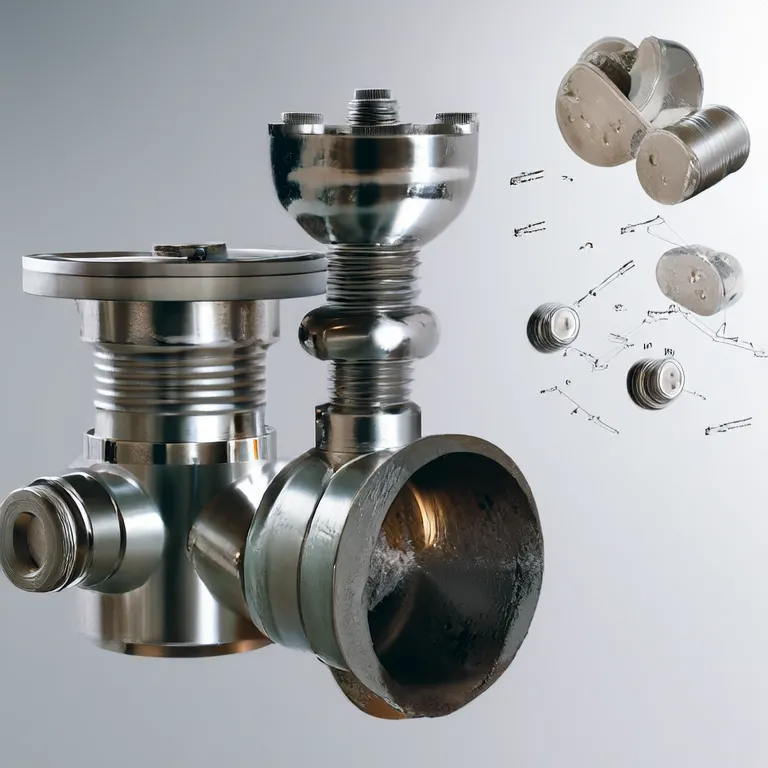
In today's rapidly evolving manufacturing industry, the demand for high-quality pump and valve castings is increasingly vital. Investment casting, sometimes referred to as lost wax casting, offers manufacturers the ability to produce detailed and complex components with superior surface finishes. With the application of techniques that allow for precise dimensional accuracy, pump and valve castings are paramount in industries ranging from oil and gas to water treatment. The rise of this casting method signifies a transformative phase in component manufacturing, overcoming traditional casting challenges such as dimensional stability and material utilization.
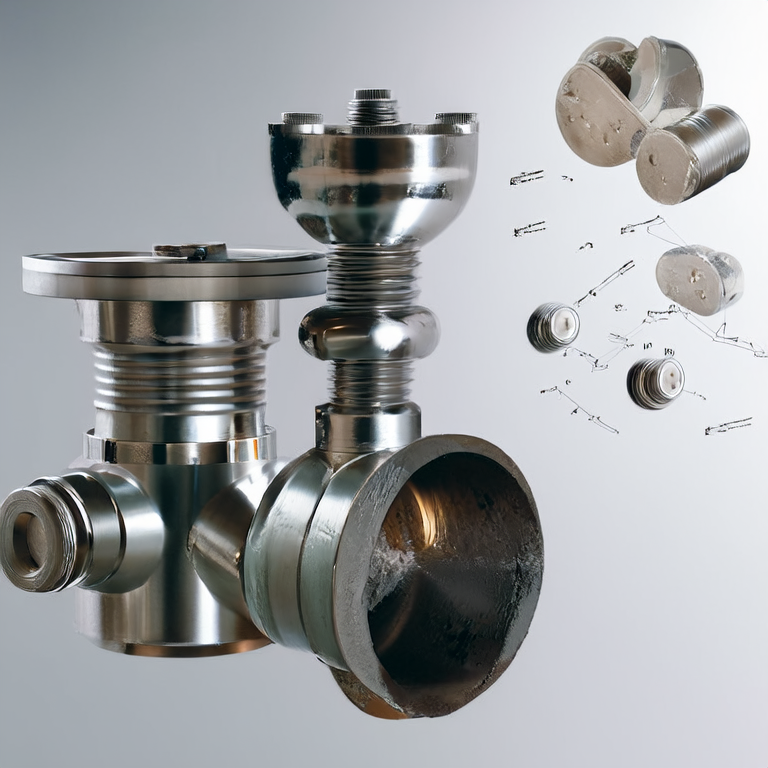
Investment casting is a manufacturing process that involves creating a wax pattern, coating it with a removable ceramic shell, and then heating it to eliminate the wax and form a mold. The term refers to the “investment” in high-quality materials and techniques that result in premier final products.
In the pump and valve industry, investment casting allows for producing complex geometries that cannot be easily achieved through traditional sand casting methods. With a typical dimensional tolerance of ±0.5% to ±1.0%, investment casting can deliver intricate designs while maintaining the integrity of materials. This precision is critical when manufacturing components that must withstand high pressures and corrosive environments.
Pump and valve castings are crucial in several sectors:
Oil and Gas: Equipment in this field operates under extreme conditions. Investment castings provide the durability and resistance required for valves in drilling and processing applications.
Water Treatment: Efficient water flow systems rely on pumps and valves that can handle various environmental stresses. Investment casting enables reliable and sustainable water treatment components.
Chemical Processing: Valves used in chemical applications must resist corrosion and maintain accuracy in flow regulation. Investment castings meet these stringent requirements.
Aerospace: The aerospace industry benefits from the precision offered by investment casting. Components such as fuel pumps and valves can be manufactured to handle the most demanding specifications.
Investment casting presents numerous advantages that underline its importance in manufacturing:
Cost-Effectiveness: A study by the American Foundry Society indicates that investment casting can reduce overall material wastage by up to 50% compared to other methods, translating into lower production costs.
High Detail and Complexity: The intricate designs achievable with investment casting allow for reduction in assembly parts and minimization of joining processes, ultimately ensuring a more robust end product.
Superior Finish: Components can be produced with a surface finish of 125 RMS or better, significantly reducing the need for additional machining processes.
Material Versatility: The process allows for the use of a wide variety of metals including stainless steel, nickel-based alloys, and even titanium, which enhances the longevity and performance of the products.
To further explore the benefits of pump and valve castings and investment casting, potential users should refer to the user guides provided by industry leaders such as Grande Precision Machinery. These guides will give insights into the best practices for designing components, selecting materials, and optimizing the manufacturing process.
Q: What materials are typically used in investment casting for pumps and valves? A: Stainless steel, carbon steel, and various nickel-based alloys are commonly used due to their superior strength and resistance to corrosion.
Q: What is the typical lead time for producing investment castings? A: Lead times can vary based on complexity and volume, but they typically range from 4 to 6 weeks.
Q: Are there limitations to the investment casting process? A: Investment casting is best suited for medium to high volume production and may not be as cost-effective for low volume outputs compared to other processes.
By understanding the nuances and applications of pump and valve castings through investment casting, industries can optimize performance while effectively addressing complex manufacturing challenges. For a deeper understanding or trial of investment casting methods, consider exploring resources available from industry experts like Grande Precision Machinery.