News
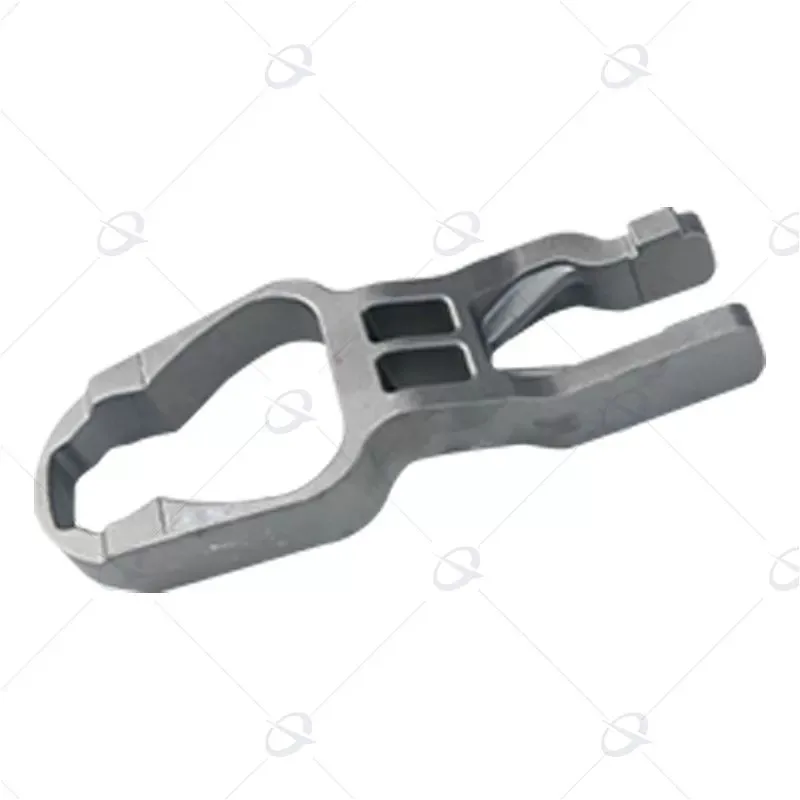
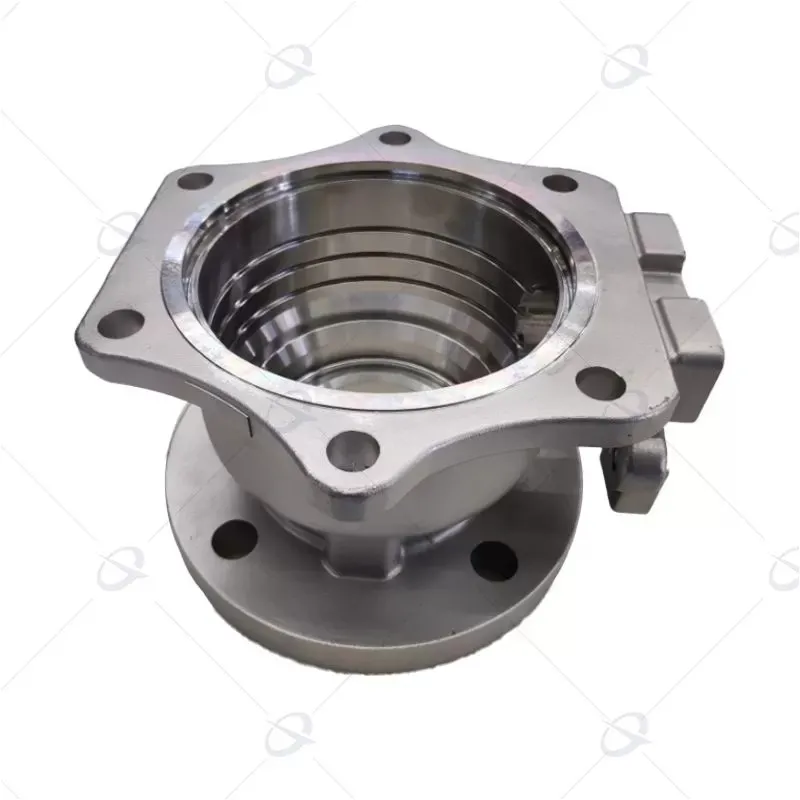
Pump and valve components are critical parts used in industries such as oil and gas, chemical processing, water treatment, power generation, marine engineering, mining, and food processing. These components often operate under high pressure, corrosive environments, and extreme temperatures, requiring exceptional dimensional accuracy, durability, and reliability.
Among various manufacturing processes, investment casting (also known as lost wax casting) has become one of the preferred solutions for producing complex pump and valve parts.
But why do manufacturers and industrial buyers increasingly choose investment casting?
This article explores the key advantages of investment casting for pump and valve components and explains why it is an ideal manufacturing process for demanding industrial applications.
Investment casting is a precision manufacturing process that creates metal components by pouring molten metal into ceramic molds formed around wax patterns.
The process typically involves:
Creating a wax pattern
Assembling wax patterns into a tree
Coating the assembly with ceramic materials
Removing the wax
Pouring molten metal into the mold
Breaking the ceramic shell
Finishing and inspection
This process can produce highly detailed, near-net-shape components with excellent surface finishes and tight tolerances.

Pump and valve components have strict performance requirements because they directly control fluid movement and pressure.
Typical pump and valve parts include:
Pump Components
Pump impellers
Pump casings
Pump bodies
Diffusers
Wear rings
Bearing housings
Valve Components
Valve bodies
Valve bonnets
Valve discs
Valve seats
Valve stems
Valve gates
Valve plugs
Poor dimensional accuracy or material defects can lead to:
Leakage
Reduced efficiency
Premature wear
Corrosion failure
Increased maintenance costs
Unexpected downtime
Investment casting addresses these challenges effectively.
One of the biggest advantages of investment casting is its ability to produce precise components.
Typical tolerances:
±0.1 mm to ±0.3 mm depending on size
Complex internal geometries achievable
Minimal dimensional variation
For pump and valve manufacturers, precise dimensions ensure:
Better sealing performance
Proper fluid flow
Reduced leakage risks
Easier assembly
This precision is particularly important for high-pressure systems.
Pump and valve parts often contain intricate shapes that are difficult to manufacture using traditional casting methods.
Investment casting can produce:
Thin walls
Curved passages
Internal channels
Complex flow paths
Detailed contours
Examples include:
Pump Impellers
Complex vane designs improve hydraulic efficiency.
Valve Bodies
Sophisticated internal passages optimize flow control.
Diffusers
Precise geometries reduce turbulence.
Manufacturers can achieve optimized designs without extensive machining.
Investment casting delivers superior surface quality compared to sand casting.
Typical surface roughness:
Ra 3.2–6.3 μm
Benefits include:
Reduced friction
Improved fluid flow
Lower pressure losses
Better sealing performance
Enhanced appearance
Smooth internal surfaces are especially important for fluid handling equipment.
Investment casting is a near-net-shape process.
This significantly reduces secondary operations.
Advantages include:
Less CNC machining
Lower labor costs
Reduced material waste
Shorter production cycles
Lower overall manufacturing costs
For complex valve bodies and pump casings, reduced machining can generate substantial savings.
Investment casting supports numerous engineering metals.
Common materials include:
Stainless Steel
304
304L
316
316L
CF8
CF8M
Suitable for:
Water treatment
Food processing
Chemical industries
Carbon Steel
WCB
WCC
Suitable for:
General industrial applications
Duplex Stainless Steel
2205
2507
Suitable for:
Marine environments
Offshore applications
Heat-Resistant Alloys
Suitable for:
Power generation
High-temperature systems
Nickel-Based Alloys
Suitable for:
Corrosive environments
Bronze and Brass
Suitable for:
Marine pumps
Specialty valves
This flexibility allows manufacturers to meet different application requirements.
Pump and valve systems often operate in harsh environments.
Examples include:
Saltwater
Acidic chemicals
Wastewater
High humidity
Abrasive slurries
Investment casting enables the use of corrosion-resistant alloys that extend equipment lifespan.
Benefits include:
Reduced maintenance
Lower replacement costs
Improved operational reliability
Industries that benefit include:
Desalination plants
Offshore platforms
Chemical plants
Pharmaceutical facilities
Investment casting can produce dense and structurally sound components.
Advantages include:
High tensile strength
Excellent fatigue resistance
Good impact resistance
Improved pressure-bearing capability
This is essential for:
High-pressure pumps
Industrial valves
Critical fluid systems
Reliable mechanical performance reduces unexpected failures.
Traditional machining may waste a significant amount of material.
Investment casting minimizes waste because parts are produced close to their final dimensions.
Benefits include:
Better material utilization
Lower raw material consumption
Reduced scrap generation
More sustainable manufacturing
This is particularly important when using expensive alloys.
While tooling costs may be higher initially, investment casting becomes highly economical for medium and large production runs.
Cost advantages include:
Lower machining expenses
Reduced assembly costs
Less material waste
Improved production efficiency
Industries requiring repeated production benefit significantly.
Modern investment casting manufacturers implement strict quality control systems.
Common inspection methods include:
Dimensional Inspection
CMM measurement
Gauge inspection
Material Testing
Spectrometer analysis
Chemical composition verification
Non-Destructive Testing (NDT)
X-ray inspection
Ultrasonic testing
Magnetic particle testing
Dye penetrant inspection
Pressure Testing
Hydrostatic testing
Pneumatic testing
These procedures ensure reliable and repeatable quality.
When selecting a supplier, consider the following factors:
Manufacturing Capabilities
In-house tooling
CNC machining
Heat treatment
Surface finishing
Material Expertise
Stainless steel
Duplex stainless steel
Nickel alloys
Carbon steel
Quality Certifications
ISO 9001
PED
CE
API (when applicable)
Inspection Equipment
CMM machines
Spectrometers
X-ray systems
Engineering Support
Choose suppliers that offer:
DFM analysis
Design optimization
Rapid prototyping
Technical consultation
Investment casting has become an indispensable manufacturing process for pump and valve parts because it combines precision, design flexibility, material versatility, and cost efficiency.
Its ability to produce complex geometries with excellent surface finishes and minimal machining makes it ideal for demanding industrial applications.
For manufacturers, OEMs, and industrial buyers, investment casting not only improves component performance but also reduces production costs and extends equipment lifespan.
As industries continue to demand higher efficiency, better reliability, and more sustainable manufacturing solutions, investment casting will remain one of the most valuable production methods for pump and valve components worldwide.