News
High Temperature Alloy Castings are critical components in industries where materials must operate reliably under extreme heat, mechanical stress, oxidation, and corrosive environments. Unlike conventional steel or iron castings, these alloys are engineered to retain strength, structural stability, and surface integrity at temperatures that often exceed 800°C and can reach well above 1,000°C. For buyers and engineers, understanding where and why high temperature alloy castings are used is essential for making informed procurement and design decisions.
High temperature alloy castings are typically made from nickel-based, cobalt-based, or iron-based alloys with carefully controlled chemical compositions. Elements such as chromium, nickel, molybdenum, tungsten, and aluminum are added to enhance heat resistance, oxidation resistance, creep strength, and thermal fatigue performance.
These castings are designed to withstand prolonged exposure to extreme operating conditions without significant deformation, cracking, or loss of mechanical properties. This makes them indispensable in applications where downtime, failure, or frequent replacement would lead to high operational costs or safety risks.

One of the most demanding uses of high temperature alloy castings is in the aerospace industry. Aircraft engines and auxiliary systems operate under intense thermal and mechanical loads, especially in turbine sections.
High temperature alloy castings are widely used for:
Turbine blades and vanes
Combustion chamber components
Exhaust system parts
Heat shields and structural supports
In these applications, the ability of the alloy to resist creep and oxidation at high temperatures directly impacts engine efficiency, fuel consumption, and service life. Buyers in aerospace prioritize consistent material performance, traceability, and compliance with strict quality standards when sourcing these castings.
Power generation systems, particularly gas turbines and combined-cycle power plants, rely heavily on high temperature alloy castings. These components must endure continuous high-temperature operation while maintaining dimensional stability and mechanical strength.
Typical uses include:
Turbine casings and blades
Nozzles and guide vanes
Combustor liners
Hot gas path components
High temperature alloy castings enable higher operating temperatures, which improves thermal efficiency and reduces fuel consumption. For power plant operators, this translates into lower operating costs and improved reliability over long service intervals.
In petrochemical plants and oil refineries, equipment is often exposed to a combination of high temperature, pressure, and corrosive media. High temperature alloy castings are essential for maintaining safety and productivity in these harsh environments.
Common applications include:
Reactor internals
Furnace trays and supports
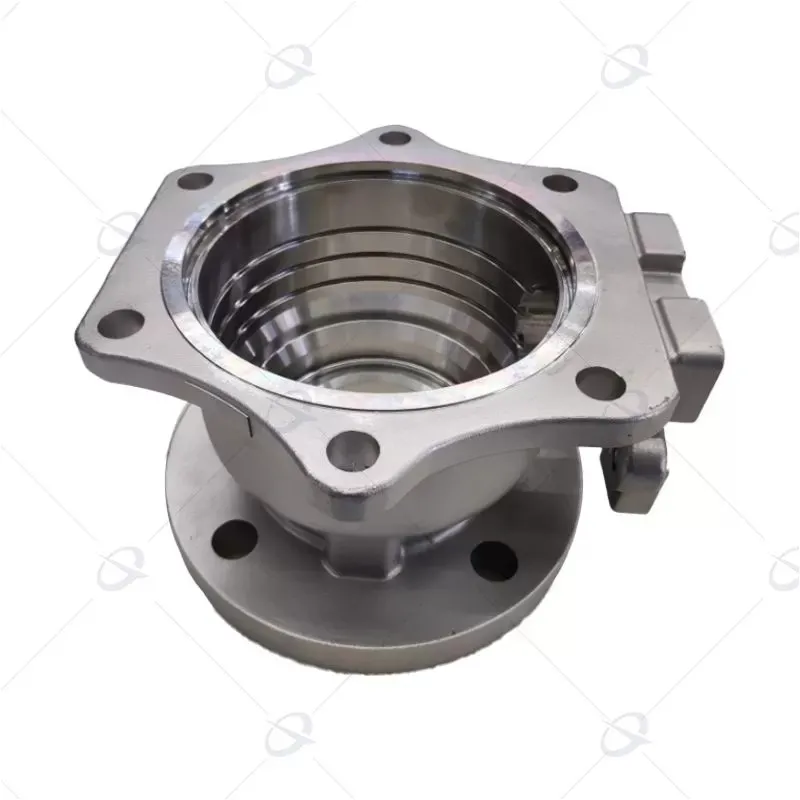
Valve bodies and fittings
Burner components
These castings provide excellent resistance to carburization, sulfidation, and oxidation, making them suitable for long-term service in cracking furnaces, reformers, and high-temperature reactors. Procurement teams often focus on alloy selection and corrosion resistance when choosing suppliers for these applications.
High temperature alloy castings play a central role in industrial furnaces and heat treatment systems used in metal processing, ceramics, and glass manufacturing.
They are commonly used for:
Furnace grates and rails
Radiant tubes
Retorts and baskets
Support fixtures and heat-resistant frames
These components must endure repeated heating and cooling cycles without warping or cracking. High temperature alloy castings offer superior thermal fatigue resistance, reducing maintenance frequency and extending equipment lifespan.
Waste incineration plants and thermal treatment systems operate under extreme conditions, including high temperatures, corrosive gases, and abrasive ash. High temperature alloy castings are widely used in these systems due to their durability and chemical stability.
Typical applications include:
Grates and liners
Ash handling components
Burner parts
Heat recovery system components
Using high temperature alloy castings helps operators maintain consistent combustion efficiency while minimizing unplanned shutdowns caused by component failure.
Automotive and Heavy-Duty Engine Systems
In automotive and heavy-duty diesel engines, particularly in performance and commercial vehicles, high temperature alloy castings are increasingly important.
They are used for:
Turbocharger housings
Exhaust manifolds
EGR system components
High-temperature brackets and supports
These parts must withstand thermal cycling, vibration, and corrosive exhaust gases. High temperature alloy castings improve durability and reduce the risk of cracking or deformation under prolonged high-load conditions.
In cement kilns, steel mills, and other metallurgical operations, equipment is exposed to continuous high temperatures and abrasive materials. High temperature alloy castings provide the strength and wear resistance required for these environments.
Applications include:
Kiln components
Sintering and roasting equipment parts
Slag handling systems
High-temperature conveyor components
For these industries, the long service life of high temperature alloy castings directly contributes to reduced maintenance downtime and improved production efficiency.
From a procurement perspective, high temperature alloy castings offer several long-term advantages:
Stable mechanical performance at elevated temperatures
Resistance to oxidation, corrosion, and thermal fatigue
Extended service life and reduced replacement frequency
Improved operational safety and reliability
Although the initial cost may be higher than standard materials, the total cost of ownership is often significantly lower due to reduced maintenance, fewer failures, and longer operational cycles.
High Temperature Alloy Castings are used wherever conventional materials fail under extreme heat and harsh operating conditions. From aerospace and power generation to petrochemical processing and industrial furnaces, these castings are essential for ensuring efficiency, safety, and long-term reliability.
For buyers and engineers, selecting the right high temperature alloy casting involves understanding the specific operating environment, temperature range, and mechanical requirements of the application. Partnering with experienced manufacturers who understand alloy design, casting processes, and quality control is key to achieving optimal performance and long-term value.