News
In fluid control systems, reliability is not optional. Pumps and valves operate under pressure, temperature fluctuation, corrosion exposure, and continuous mechanical stress. For manufacturers and procurement managers, selecting the right production method for critical components directly affects performance, lifespan, and safety.
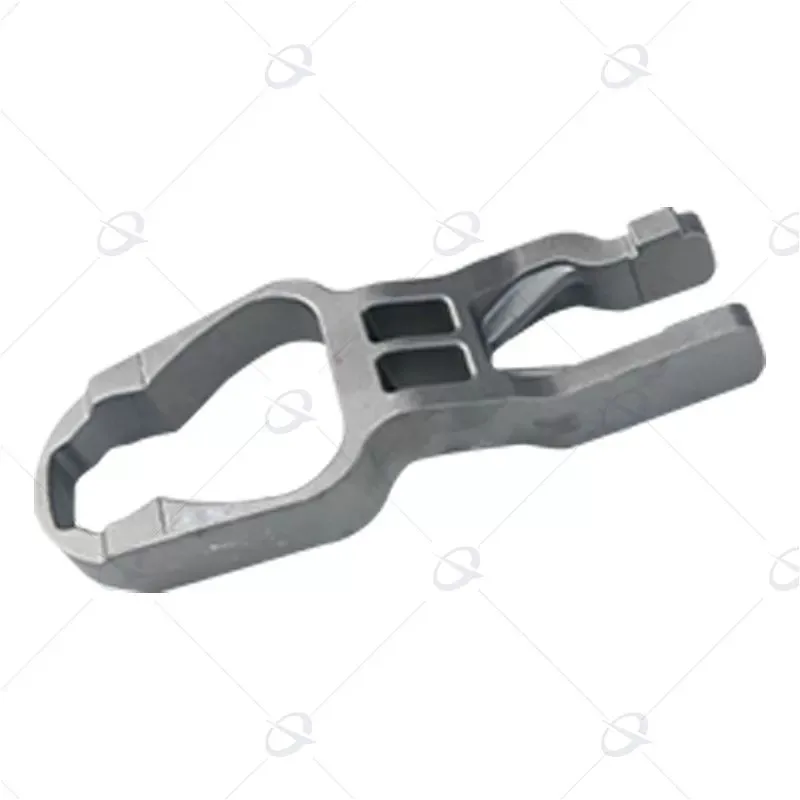
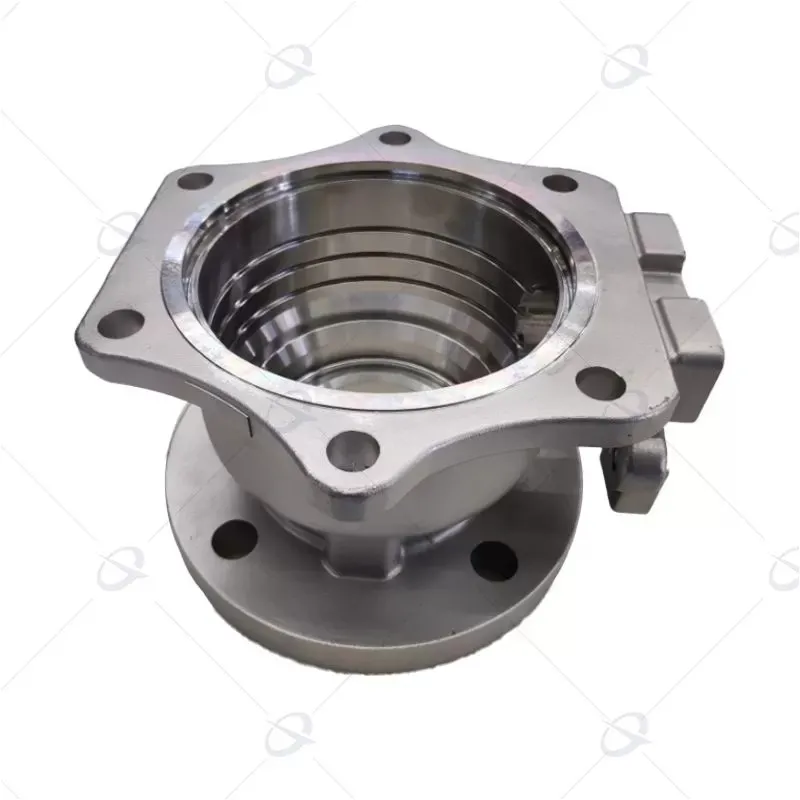
Stainless steel precision casting has become a preferred manufacturing solution for pump and valve components because it combines dimensional accuracy, corrosion resistance, and structural strength in one efficient process.
Pump and valve components must meet strict performance standards. Even minor dimensional deviation can lead to:
Leakage
Pressure instability
Reduced flow efficiency
Premature wear
Safety risks
Precision casting ensures complex geometries are produced with high repeatability, minimizing the need for extensive post-machining and reducing assembly errors.

Stainless steel precision casting, commonly associated with investment casting, produces near-net-shape components by pouring molten stainless steel into a ceramic mold formed from a wax pattern.
For pump and valve applications, this method enables:
Intricate internal flow passages
Thin-wall yet strong structures
Integrated design features
Smooth internal surfaces
Tight dimensional control
The result is a component that meets both structural and hydraulic performance requirements.
Stainless steel precision casting is widely used to manufacture:
Pump housings
Valve bodies
Impellers
Valve discs and seats
Bonnet components
Couplings
Flanges
Check valve parts
Butterfly valve components
These parts often require complex shapes that are difficult or costly to achieve with machining alone.
Corrosion Resistance in Harsh Environments
Pumps and valves frequently operate in:
Chemical processing plants
Marine systems
Oil and gas pipelines
Wastewater treatment facilities
Food and beverage production lines
Grades such as 304 and 316 stainless steel offer strong resistance to corrosion, oxidation, and chemical exposure.
Precision casting allows engineers to design smoother internal passages and optimized fluid paths, which can:
Reduce turbulence
Improve flow efficiency
Lower energy consumption
Minimize cavitation risks
This is particularly important for impellers and valve bodies.
Strength and Pressure Resistance
Pump and valve systems must withstand high operating pressures. Stainless steel precision casting delivers:
High tensile strength
Structural stability
Excellent fatigue resistance
Reliable sealing surfaces
Heat treatment can further enhance mechanical properties when required.
Reduced Machining and Material Waste
Compared to CNC machining from solid bar stock, precision casting:
Reduces raw material waste
Lowers machining time
Minimizes scrap rates
Shortens overall production cycles
This becomes especially cost-effective for medium- to high-volume production.
Selecting the right grade is critical.
304 Stainless Steel
Used in general industrial applications with moderate corrosion exposure.
316 Stainless Steel
Preferred for marine and chemical environments due to enhanced corrosion resistance.
Duplex Stainless Steel
Suitable for high-strength and aggressive environments.
17-4PH Stainless Steel
Offers high strength after heat treatment, used in demanding mechanical systems.
Material selection depends on pressure, temperature, and fluid type.
Given the critical function of these parts, quality inspection is essential.
Buyers should confirm:
Chemical composition testing
Dimensional inspection
Pressure testing capability
Surface roughness control
Non-destructive testing (NDT)
Heat treatment traceability
Consistent quality control reduces the risk of leakage and failure in field applications.
Surface finish plays a crucial role in valve sealing and pump efficiency.
Stainless steel precision casting offers:
Smooth as-cast surfaces
Controlled machining allowances
Polishing options for sealing surfaces
Reduced internal roughness for better flow
Improved surface quality enhances sealing reliability and reduces wear over time.
Versus Sand Casting
Higher dimensional accuracy
Better surface finish
More suitable for complex geometries
Versus Forging
Greater design flexibility
Ability to create intricate shapes
Reduced tooling limitations
Versus Machining from Solid
Lower material waste
More cost-efficient for complex designs
Less machining required
Precision casting provides a strong balance between performance and cost efficiency.
The global pump and valve market continues to grow due to:
Expansion of oil and gas infrastructure
Water treatment modernization
Renewable energy systems
Chemical processing development
Industrial automation growth
As systems become more advanced, demand increases for components with tighter tolerances and better corrosion resistance — strengthening the role of stainless steel precision casting.
When sourcing stainless steel precision casting for pump and valve components, evaluate suppliers based on:
Experience in fluid control industries
Tooling design capabilities
Casting simulation technology
Production capacity
Quality certifications
Export experience
Ability to provide machining and finishing services
Long-term partnerships with technically capable foundries ensure product consistency and supply stability.
The main cost drivers include:
Tooling investment
Stainless steel grade selection
Part complexity
Order volume
Post-processing requirements
Inspection standards
While tooling costs exist upfront, unit costs become competitive in repeat production runs.
For pump and valve manufacturers seeking strength, corrosion resistance, and dimensional precision, stainless steel precision casting offers a reliable and scalable solution. It enables complex designs, reduces material waste, and delivers long-term durability in demanding environments.
By choosing the right grade, quality control standards, and experienced casting partner, buyers can optimize both performance and total cost of ownership in pump and valve systems.