News
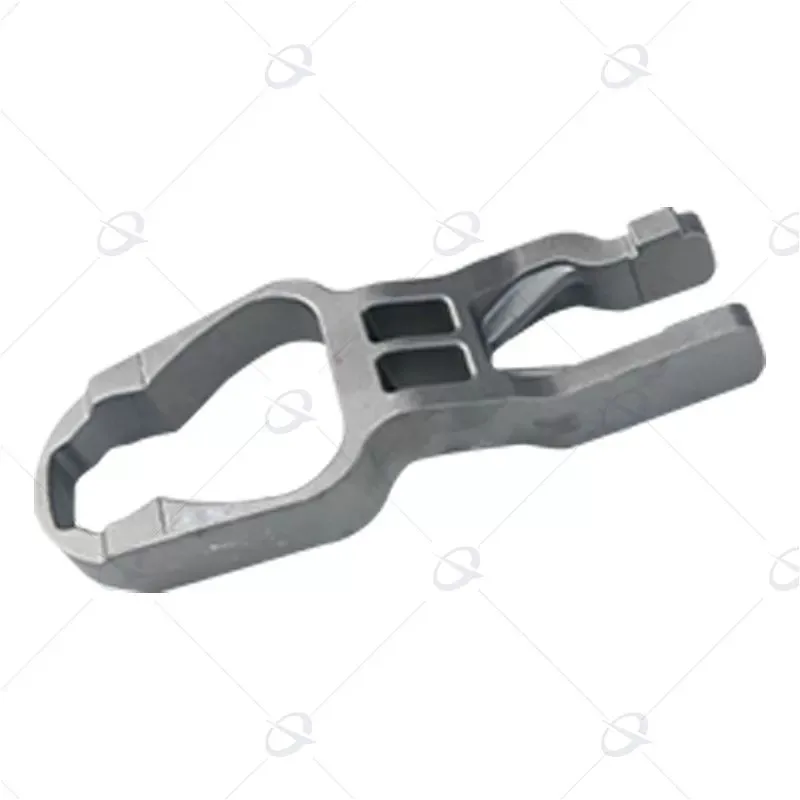
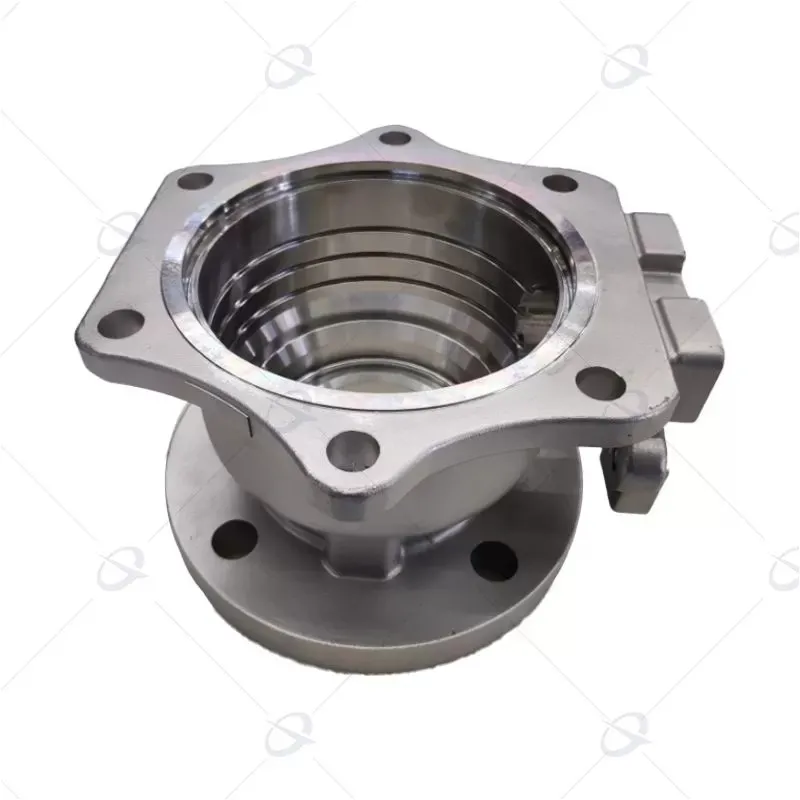
In the medical field, precision and safety are paramount. Whether it involves surgical tools or implants, every component must meet the highest standards to ensure optimal performance and patient safety. One of the most reliable manufacturing methods for producing such critical components is investment casting. Renowned for its ability to produce intricate parts with exceptional accuracy, this process is a preferred choice for medical device manufacturers.
This article explores how investment casting contributes to the medical device industry, emphasizing its benefits, applications, and the ways it ensures both precision and biocompatibility.
Investment casting, also known as lost-wax casting, involves creating a wax model of the part, which is then coated with a ceramic shell. Once the shell hardens, the wax is melted away, leaving a cavity into which molten metal is poured to form the final component. This process is particularly suitable for complex shapes and highly detailed designs, making it ideal for medical device manufacturing.
1. High Accuracy and Complex Geometry
Medical device components often require intricate geometries and tight tolerances. Investment casting provides the highest level of precision among casting methods, enabling manufacturers to create designs that are challenging for other production processes. This accuracy ensures each component fits perfectly, improving both the device’s functionality and reliability.
2. Biocompatibility for Safe Medical Use
Biocompatibility is essential for materials used in medical devices, especially implants that interact directly with human tissues. Investment casting allows the use of biocompatible metals such as stainless steel, titanium, and cobalt-chrome alloys. These materials are selected for their strength, durability, and compatibility with the human body, significantly reducing the risk of adverse reactions.
3. Consistency and Repeatability
Consistency is critical in medical manufacturing, where all components must meet strict quality standards. Investment casting offers exceptional repeatability, ensuring that every part maintains the same level of precision and reliability. This consistency is crucial for devices used in patient care and surgical procedures.

Investment castings are versatile and can be applied to a wide range of medical components. Key applications include:
Surgical Instruments: Instruments like scissors, clamps, and squeezers require precise, delicate shapes and biocompatible materials. Investment casting ensures the necessary accuracy and reliability for these tools.
Orthopedic Implants: Hip and knee replacements demand both strength and biocompatibility. Investment casting allows for custom-fit implants that closely match the patient’s anatomy, enhancing comfort and accelerating recovery.
Dental Implants: Dental components benefit from investment casting due to the ability to produce small, detailed parts with high precision, ensuring a perfect fit.
Prosthetic Components: Lightweight and durable prosthetic parts can be tailored to individual needs. Investment casting allows for complex shapes that enhance patient mobility and comfort.
1. Cost-Effective Production
Although investment casting involves initial costs for wax patterns and ceramic molds, it reduces the need for extensive machining. This ultimately lowers production costs, especially for geometrically complex parts that would otherwise require expensive machining operations.
2. Superior Surface Finish
Investment casting delivers excellent surface finishes, which is critical for medical applications. Smooth surfaces reduce the risk of biofilm formation and are easier to sterilize, enhancing the safety of surgical instruments and implants.
3. Material Versatility
Medical devices require a variety of metals depending on their application. Investment casting supports a wide range of materials, including stainless steel, titanium, and specialized alloys, providing both the mechanical performance and biocompatibility necessary for medical applications.
4. Reduced Lead Times
Investment casting can significantly shorten production lead times compared to traditional methods. Combined with rapid prototyping, it enables manufacturers to bring products to market faster and respond more efficiently to evolving medical requirements.
Medical components are critical investments that must undergo strict quality control. Manufacturers implement meticulous inspections, testing, and analysis throughout the investment casting process to ensure every part meets stringent standards. This rigorous approach guarantees that every component is reliable and safe for medical applications, including life-support devices.
Investment casting has become an essential and versatile method in medical device manufacturing. It offers unmatched precision, material flexibility, and biocompatibility, making it ideal for critical components used in surgical instruments, implants, and prosthetic devices. By leveraging advanced investment casting techniques, manufacturers can ensure top-quality, precise, and safe medical components that meet the highest industry standards.