News
Pump efficiency is a critical factor in industrial operations across sectors such as water treatment, oil and gas, chemical processing, mining, agriculture, and power generation. Inefficient pumps consume more energy, increase operating costs, and reduce overall system reliability. One of the most effective ways to improve pump performance is through the use of precision cast components.
Precision casting technology allows manufacturers to produce pump parts with tighter tolerances, smoother surfaces, and more complex geometries. These advantages directly contribute to higher hydraulic efficiency, reduced wear, improved durability, and lower maintenance requirements.
As industries continue to demand energy-efficient and high-performance pumping systems, precision cast components are becoming increasingly important in modern pump manufacturing.
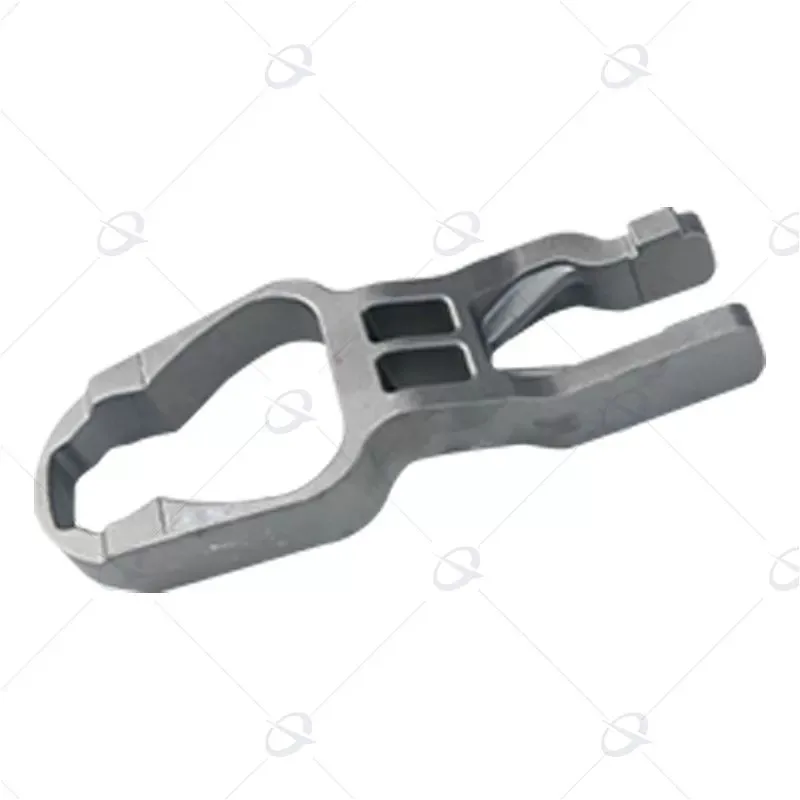
Precision cast components are metal parts manufactured using advanced casting methods such as investment casting, lost wax casting, shell molding, or precision sand casting. These processes create highly accurate components with minimal machining requirements.
Common precision cast pump components include:
Pump impellers
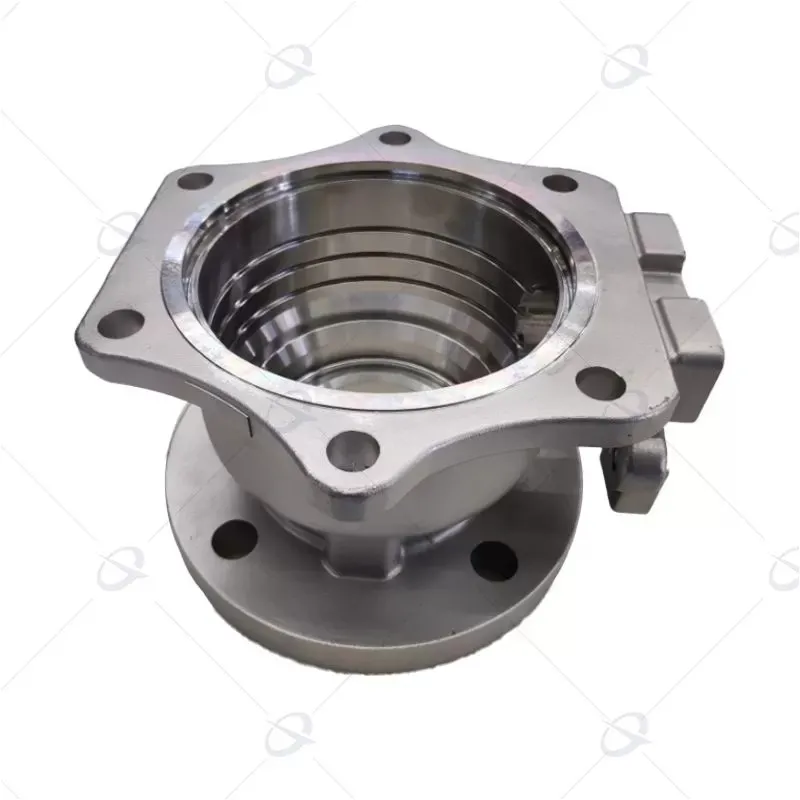
Pump housings
Diffusers
Volutes
Wear rings
Mechanical seal components
Valve bodies
Pump covers
Precision casting enables manufacturers to achieve complex internal flow channels and optimized hydraulic designs that would be difficult or costly to produce through conventional machining.

Pump systems account for a significant portion of industrial energy consumption worldwide. Even a small improvement in pump efficiency can generate major savings over time.
High-efficiency pumps provide benefits such as:
Reduced energy consumption
Lower operating costs
Improved flow performance
Reduced vibration and noise
Longer equipment lifespan
Lower maintenance frequency
Better system reliability
Precision cast components help optimize these performance factors by improving the hydraulic and mechanical characteristics of the pump.
Improved Hydraulic Flow Design
One of the biggest advantages of precision casting is the ability to create complex and optimized fluid flow paths.
Traditional manufacturing methods may limit the geometry of internal pump components, while precision casting allows for:
Smooth flow channels
Optimized impeller blade shapes
Reduced turbulence
Better fluid distribution
Improved suction and discharge flow
Efficient hydraulic design minimizes energy losses caused by friction, cavitation, and flow separation.
Benefits include:
Higher flow efficiency
Reduced power consumption
Increased pump output
Stable operating performance
For example, precision-cast impellers with carefully engineered blade angles can significantly improve fluid transfer efficiency in centrifugal pumps.
Enhanced Dimensional Accuracy
Pump performance depends heavily on component precision. Small dimensional deviations can create internal leakage, imbalance, or inefficient fluid movement.
Precision casting offers:
Tight tolerances
Consistent wall thickness
Accurate alignment
Better component fit
These factors reduce internal recirculation losses and improve sealing efficiency.
Key performance advantages:
Improved pressure stability
Reduced energy waste
Better pump balancing
Lower vibration levels
Accurate components also help extend bearing and seal life.
Smoother Surface Finish
Rough internal surfaces increase fluid resistance and reduce pump efficiency. Precision casting can produce smoother surfaces compared to traditional casting methods.
Smooth surfaces help:
Reduce friction losses
Improve flow velocity
Minimize sediment buildup
Lower cavitation risk
This is especially important for pumps handling:
Clean water
Chemicals
Oil products
Food-grade liquids
High-speed fluid systems
Additional polishing or surface finishing can further optimize hydraulic efficiency.
Reduced Cavitation Problems
Cavitation occurs when vapor bubbles form and collapse inside the pump, causing damage, vibration, and efficiency loss.
Precision-cast components help reduce cavitation by improving fluid flow stability.
Optimized features include:
Streamlined impeller geometry
Uniform internal passages
Reduced sharp edges
Balanced flow distribution
Lower cavitation results in:
Less erosion damage
Reduced maintenance costs
Longer pump lifespan
More stable operation
This is particularly valuable in high-pressure and high-speed pumping applications.
Better Material Performance
Precision casting supports the use of advanced metal alloys that improve pump durability and efficiency under demanding operating conditions.
Common materials include:
Stainless steel
Duplex stainless steel
Carbon steel
Bronze alloys
Nickel-based alloys
High-chrome iron
These materials offer excellent resistance to:
Corrosion
Abrasion
High temperatures
Chemical attack
Durable materials maintain pump performance over longer periods with less degradation.
Precision Cast Impellers
The impeller is the heart of the pump and has the greatest impact on hydraulic efficiency.
Precision casting allows manufacturers to create:
Complex vane profiles
Thin-wall blade structures
Balanced rotational geometry
High-efficiency flow designs
Performance improvements include:
Higher flow rates
Better pressure generation
Reduced turbulence
Lower energy consumption
Precision-cast impellers are widely used in centrifugal pumps, slurry pumps, and chemical pumps.
Pump Housings and Volutes
The pump housing guides fluid movement and protects internal components.
Precision-cast housings provide:
Accurate internal contours
Better pressure distribution
Reduced hydraulic loss
Improved structural integrity
Optimized volute designs improve flow conversion efficiency and minimize energy waste.
Wear Rings and Seal Components
Wear rings control internal leakage between rotating and stationary components.
Precision manufacturing ensures:
Minimal clearance gaps
Reduced leakage
Better sealing performance
Improved efficiency retention
High-quality seal components also reduce downtime and maintenance costs.
Water Treatment Industry
Efficient pumps are essential for water supply, wastewater treatment, desalination, and irrigation systems.
Precision cast components help achieve:
Stable flow control
Reduced energy costs
Long-term corrosion resistance
Oil and Gas Industry
Oil and gas pumps operate under extreme pressure and harsh chemical conditions.
Precision castings improve:
High-pressure durability
Corrosion resistance
Operational reliability
Chemical Processing
Chemical pumps require highly accurate and corrosion-resistant components.
Precision casting supports:
Complex chemical flow paths
Leak prevention
Chemical compatibility
Mining and Slurry Applications
Mining pumps handle abrasive materials that cause severe wear.
Precision-cast wear-resistant components extend equipment lifespan and reduce maintenance frequency.
In addition to precision casting, advanced surface finishing techniques can further optimize performance.
Polishing
Internal polishing reduces surface roughness and improves fluid movement.
Anti-Corrosion Coatings
Protective coatings prevent corrosion in aggressive environments.
Hard Facing
Hard surface treatments improve wear resistance for slurry and abrasive applications.
Thermal Spraying
Thermal coatings improve heat resistance and reduce surface degradation.
These finishing technologies help maintain long-term efficiency and operational stability.
Compared with conventional casting and machining methods, precision casting offers several advantages.
Higher Production Accuracy
Precision casting minimizes dimensional variation and improves assembly quality.
Reduced Machining Costs
Near-net-shape manufacturing reduces material waste and secondary processing.
Greater Design Flexibility
Complex geometries can be produced without expensive fabrication processes.
Improved Consistency
Mass production maintains stable product quality and repeatable performance.
These advantages make precision casting ideal for high-performance industrial pumps.
When choosing precision cast pump parts, manufacturers should evaluate several factors.
Material Selection
Choose materials based on:
Fluid type
Temperature
Corrosion exposure
Abrasion levels
Hydraulic Design
Optimized impeller and flow channel design greatly influence pump efficiency.
Manufacturing Quality
Reliable casting suppliers should provide:
Strict quality control
Dimensional inspection
Material certification
Non-destructive testing
Surface Finishing Requirements
Additional treatments may be necessary depending on operating conditions.
The pump industry is rapidly evolving toward higher efficiency and smarter manufacturing.
Emerging trends include:
CFD-optimized impeller designs
AI-assisted hydraulic simulation
3D printed casting molds
Advanced alloy materials
Intelligent monitoring systems
Energy-efficient industrial pumps
Precision casting will continue to play a key role in developing next-generation pumping systems with lower energy consumption and higher reliability.
Precision cast components are essential for optimizing pump efficiency in modern industrial applications. Their superior dimensional accuracy, smooth surface finish, advanced hydraulic design, and durable material properties help improve flow performance, reduce energy consumption, and extend equipment lifespan.
From impellers and pump housings to wear rings and seal components, precision casting technology enables manufacturers to produce high-performance pump systems capable of meeting demanding operational requirements.
As industries increasingly focus on energy savings, reliability, and sustainable manufacturing, precision cast pump components will remain a critical solution for achieving long-term operational efficiency and competitive advantage.