News
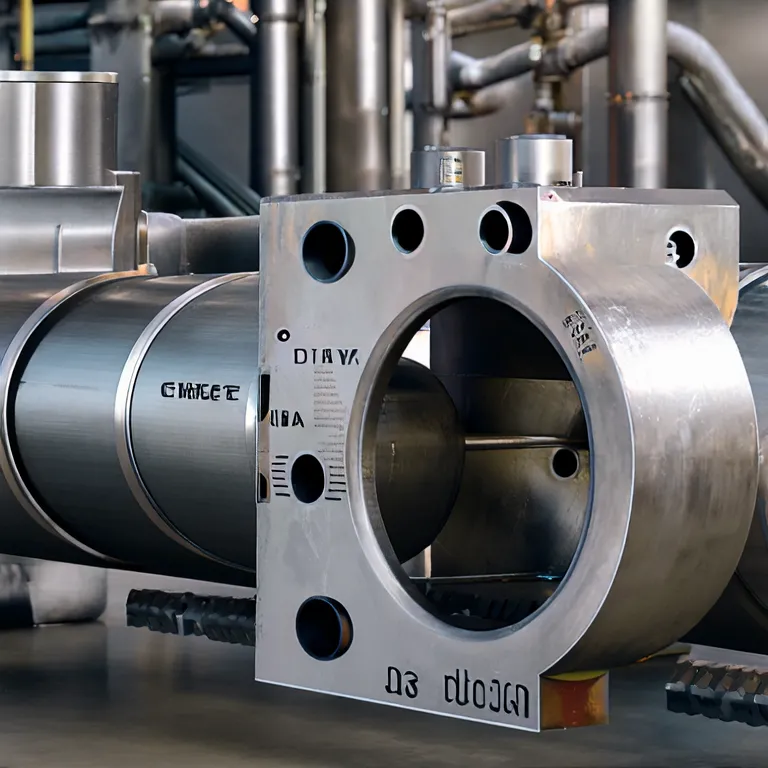
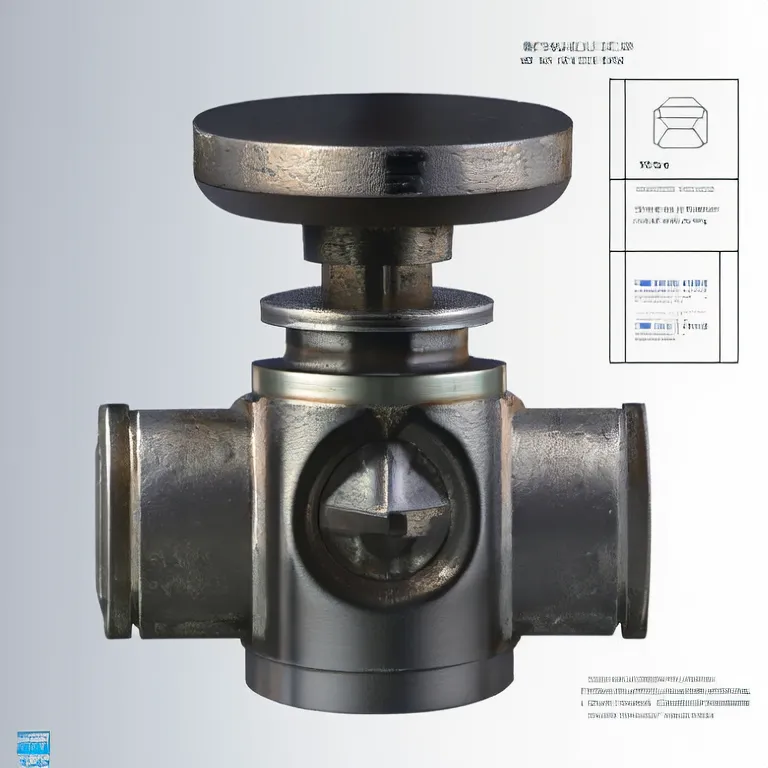
Pump and valve castings are essential components used in various industrial applications, facilitating the flow of fluids and gases. Understanding their role can help in making informed purchasing decisions. Castings are made from various materials, including metals and polymers, depending on the specific requirements of the application.
Selecting the correct pump and valve castings is crucial for operational efficiency, durability, and safety. Poor choices can result in operational failures, increased maintenance costs, and safety risks. Ensuring compatibility with existing systems is also vital.
Establish the specific requirements of your application. Consider factors such as fluid type, pressure conditions, and flow rates. Clearly defining these needs will guide your selection process.
Evaluate the environment where the pumps and valves will be used. Factors like temperature extremes, exposure to corrosive materials, or high-particle levels can impact the choice of materials for castings.
Once you understand the environmental factors, choose materials that will withstand these conditions. Avoid common mistakes like selecting materials without considering compatibility to the fluids being handled.
Look at specific performance metrics such as:
Understanding these parameters will help in selecting castings that meet or exceed operational demands.
Ensure the chosen castings comply with industry standards. Review certifications that assure quality and safety. Avoid the mistake of assuming all castings meet the same standards.
Reach out to suppliers like Grande Precision Machinery for expert advice. They can provide valuable insights into the best options for your specific needs, helping to avoid potential pitfalls.
Before making a large purchase, request samples of the castings to test for compatibility and performance. This step can help identify issues before large-scale implementation.
In conclusion, choosing the right pump and valve castings for industrial applications involves a detailed understanding of your specific requirements, careful material selection, and thorough evaluation of performance specifications. By following these steps, you can ensure optimal performance and reliability from your chosen castings. For guidance and high-quality castings tailored to your needs, consider contacting Grande Precision Machinery.