News
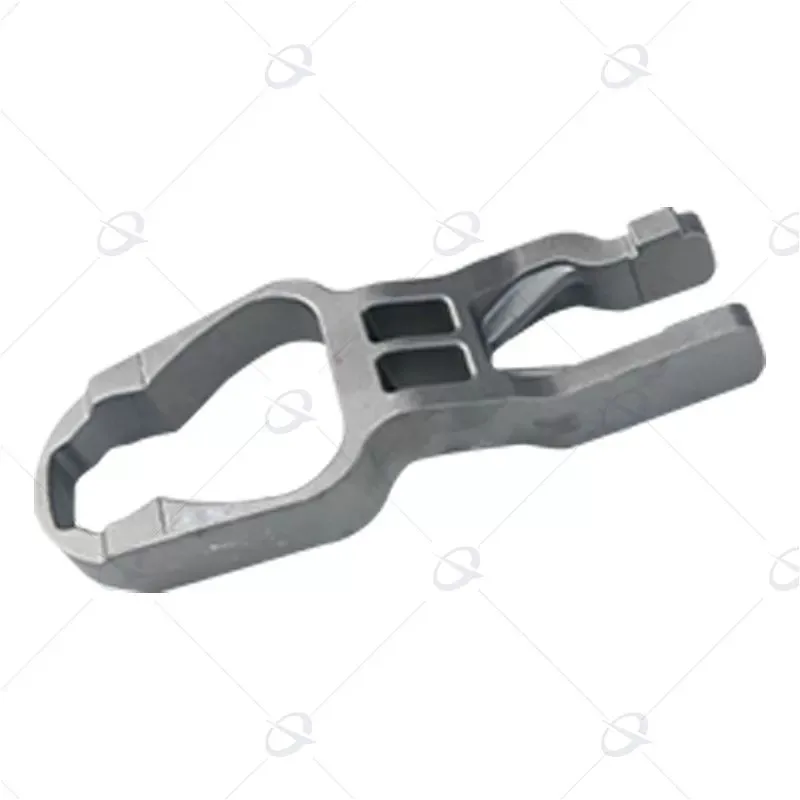
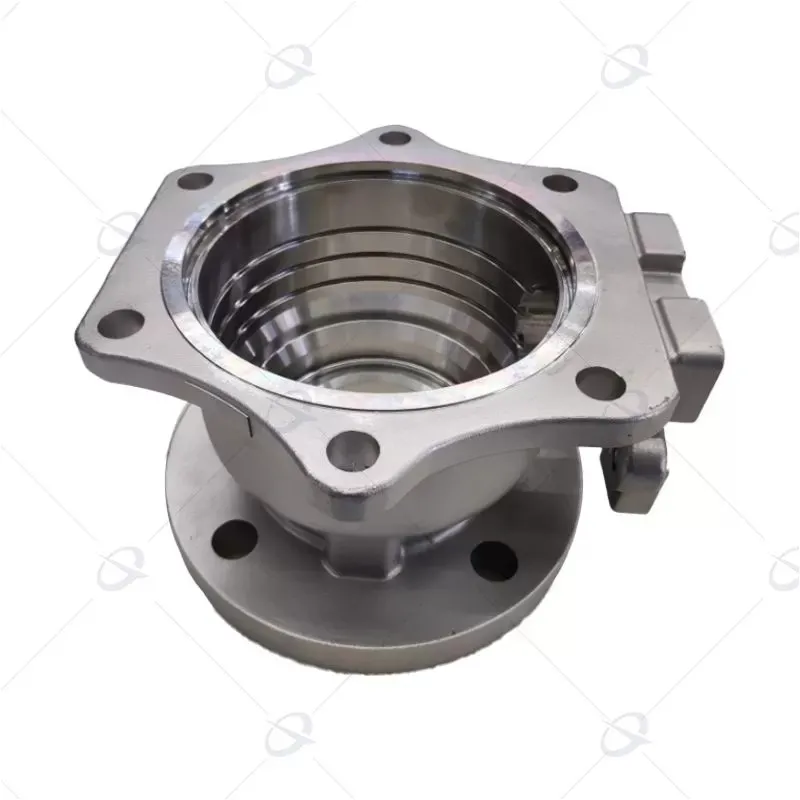
Automobile castings are critical components used in engines, transmission systems, suspension parts, braking systems, and structural assemblies. The quality and durability of these castings directly affect vehicle safety, efficiency, and lifespan. While casting technology determines the basic shape and structure of a component, surface finishing plays a vital role in enhancing overall performance.
From corrosion resistance to improved wear properties, proper surface finishing can significantly upgrade the functionality and reliability of automotive castings. In today’s competitive automotive industry, manufacturers increasingly rely on advanced finishing technologies to meet higher standards for performance, fuel efficiency, and sustainability.
Surface finishing refers to the post-casting treatment process used to improve the surface quality, appearance, and mechanical properties of cast metal components. After casting, parts often contain rough surfaces, oxidation layers, burrs, or microscopic defects that may reduce performance if left untreated.
Surface finishing processes may include:
Shot blasting
Grinding and polishing
Powder coating
Electroplating
Anodizing
Painting
Sandblasting
Chemical treatment
Heat treatment
Machining and deburring
Each finishing method is selected based on the casting material, application environment, and performance requirements.

Automotive parts operate under harsh conditions involving heat, moisture, friction, vibration, and chemical exposure. Surface finishing helps castings withstand these demanding environments while maintaining dimensional stability and structural integrity.
Without proper finishing, cast components may suffer from:
Premature corrosion
Excessive wear
Reduced fatigue strength
Poor sealing performance
Lower thermal efficiency
Shortened service life
Surface finishing transforms raw castings into high-performance automotive components suitable for modern vehicle systems.
Enhanced Corrosion Resistance
Corrosion is one of the biggest threats to automotive metal parts. Components exposed to rain, road salt, humidity, fuel, and chemicals can quickly deteriorate without adequate protection.
Surface finishing creates a protective barrier that prevents oxidation and corrosion.
Common anti-corrosion finishing methods include:
Zinc plating
Powder coating
Electrocoating
Anodizing for aluminum castings
Anti-rust painting
For example, aluminum alloy castings used in engine housings often undergo anodizing to improve resistance against environmental exposure.
Benefits include:
Longer component lifespan
Reduced maintenance costs
Better reliability in extreme climates
Improved vehicle durability
Improved Wear Resistance
Automobile castings used in moving systems experience constant friction and mechanical stress. Surface finishing helps reduce wear and surface degradation.
Components requiring wear resistance include:
Brake components
Transmission housings
Engine blocks
Gearbox parts
Suspension components
Processes such as hard coating, nitriding, and precision polishing improve surface hardness and reduce friction.
Advantages:
Lower mechanical wear
Reduced friction losses
Improved fuel efficiency
Extended operational life
High-performance vehicles especially benefit from advanced surface treatments that minimize energy loss and enhance driving performance.
Better Fatigue Strength
Automotive components are continuously exposed to vibration and cyclic loading. Surface defects and micro-cracks can lead to fatigue failure over time.
Finishing techniques like shot peening and polishing help strengthen the surface and eliminate imperfections that may initiate cracks.
Benefits of improved fatigue strength:
Higher structural reliability
Better load-bearing capability
Reduced risk of component failure
Enhanced safety performance
This is particularly important for critical castings such as suspension arms, steering knuckles, and engine mounts.
Enhanced Heat Resistance
Modern automotive systems generate substantial heat during operation. Surface finishing can improve thermal resistance and heat dissipation.
Heat-resistant finishing applications include:
Exhaust manifolds
Turbocharger housings
Engine components
Brake system parts
Special coatings help castings tolerate extreme temperatures while reducing thermal degradation.
Results include:
Better thermal stability
Reduced deformation
Improved engine efficiency
Longer service intervals
As electric vehicles continue to grow, thermal management solutions for castings are becoming increasingly important.
Improved Dimensional Accuracy
Raw castings often contain burrs, uneven surfaces, and excess material. Precision finishing processes help achieve tighter tolerances and smoother surfaces.
Precision finishing benefits:
Better component fit
Reduced assembly errors
Improved sealing performance
Enhanced mechanical efficiency
For example, transmission castings require accurate machining and surface treatment to ensure smooth gear operation.
Better Aesthetic Appearance
In modern vehicles, appearance matters not only for visible parts but also for brand perception and manufacturing quality.
Surface finishing enhances:
Surface smoothness
Gloss and texture
Uniform appearance
Product cleanliness
Decorative coatings and polishing are widely used for automotive accessories, alloy wheels, trim components, and visible structural parts.
Shot Blasting
Shot blasting removes sand, scale, rust, and impurities from casting surfaces using high-speed abrasive materials.
Key advantages:
Improves surface cleanliness
Enhances coating adhesion
Removes oxidation layers
Prepares surfaces for painting or plating
This is one of the most common pre-treatment processes in automotive casting production.
Powder Coating
Powder coating applies a dry protective layer that is cured under heat.
Benefits include:
Excellent corrosion resistance
Strong durability
Environmentally friendly processing
Attractive finish appearance
Automotive chassis components and structural castings commonly use powder coating.
Electroplating
Electroplating deposits a metal layer onto the casting surface to improve durability and appearance.
Common plating materials:
Zinc
Nickel
Chrome
Electroplating improves:
Corrosion resistance
Electrical conductivity
Wear resistance
Decorative appearance
Anodizing
Anodizing is widely used for aluminum automotive castings.
Advantages:
Increased surface hardness
Better corrosion resistance
Improved wear performance
Enhanced heat resistance
Anodized aluminum parts are lightweight and highly durable, making them ideal for modern vehicle applications.
Polishing and Grinding
Polishing removes roughness and creates smoother surfaces for better functionality.
Applications include:
Engine components
Intake manifolds
Decorative trim
Precision housings
Smooth surfaces reduce friction and improve airflow efficiency in engine systems.
Lightweight Vehicle Manufacturing
Automakers increasingly use aluminum and magnesium castings to reduce vehicle weight and improve fuel efficiency. Advanced surface finishing helps lightweight materials achieve the durability required for long-term use.
Electric Vehicle Development
Electric vehicles rely heavily on precision castings for battery housings, motor components, and thermal management systems. Surface treatments improve electrical insulation, heat dissipation, and corrosion protection.
Modern finishing technologies focus on reducing environmental impact.
Eco-friendly trends include:
Low-VOC coatings
Water-based finishing systems
Recyclable materials
Energy-efficient processing
Manufacturers adopting sustainable finishing methods can meet stricter automotive regulations while improving brand reputation.
Selecting the proper finishing method depends on several factors.
Material Type
Different metals require different treatments.
Examples:
Aluminum: anodizing
Iron castings: powder coating or plating
Steel components: galvanizing or painting
Operating Environment
Consider exposure to:
Moisture
Chemicals
Heat
Salt spray
Mechanical wear
Harsh environments demand stronger protective coatings.
Performance Requirements
Determine whether the priority is:
Corrosion resistance
Wear resistance
Decorative appearance
Heat resistance
Precision tolerance
Production Cost
Balancing performance and budget is essential for large-scale automotive manufacturing.
Advanced coatings may increase initial cost but reduce long-term maintenance expenses.
The future of automotive casting surface finishing is moving toward intelligent, automated, and environmentally friendly technologies.
Emerging innovations include:
Nano-coatings
Laser surface treatment
Smart corrosion-resistant coatings
Robotic finishing systems
AI-controlled inspection technology
These advanced solutions improve consistency, efficiency, and product reliability while supporting the automotive industry's transition toward electric and autonomous vehicles.
Surface finishing is far more than a cosmetic process for automobile castings. It directly impacts durability, corrosion resistance, wear performance, thermal stability, and overall vehicle reliability.
By applying the right finishing technologies, automotive manufacturers can produce cast components that meet modern demands for safety, efficiency, lightweight design, and long service life.
As automotive engineering continues to evolve, high-quality surface finishing will remain a critical factor in maximizing the performance and value of automobile castings.