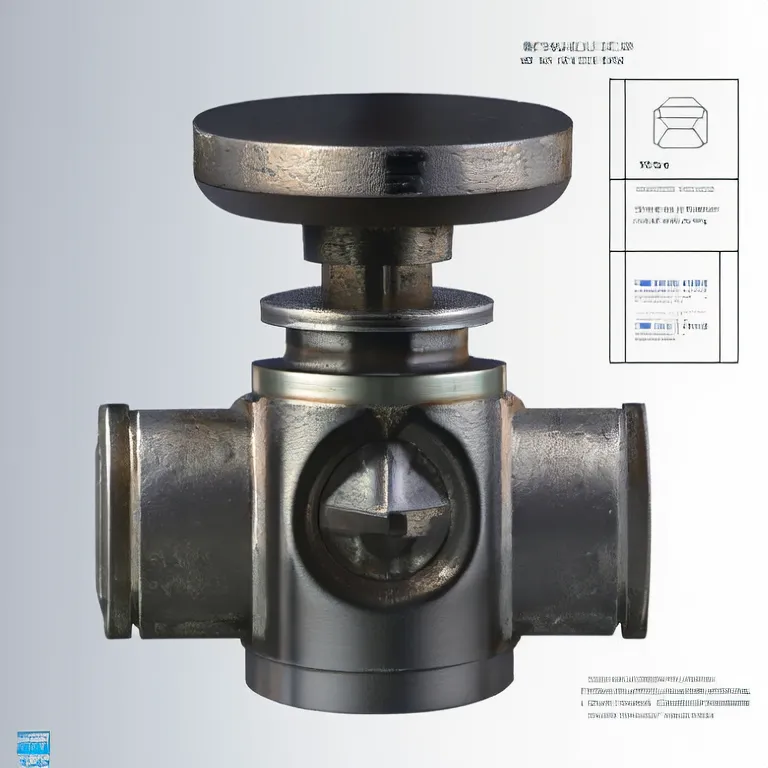
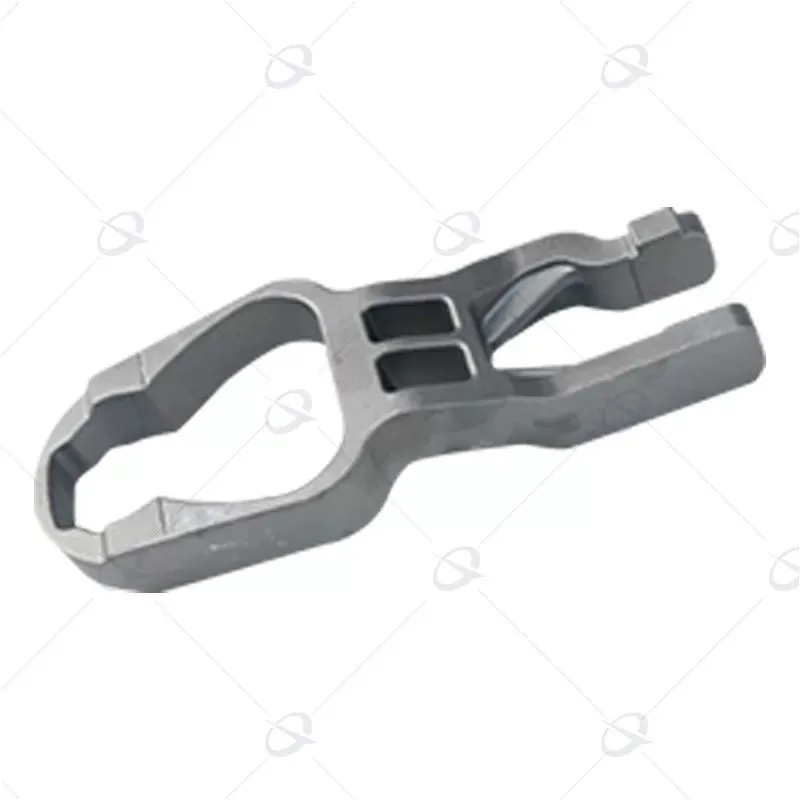
How Pump and Valve Castings Improve Equipment Durability
Many industrial operators face significant challenges with equipment longevity and performance, particularly when dealing with pumps and valves. The primary issues often revolve around wear and tear from high-pressure conditions, corrosion, and material fatigue. However, integrating advanced pump and valve castings into your systems can significantly enhance durability and reduce downtime. For instance, using high-grade cast iron can increase lifespan by 30%, addressing the critical need for robust solutions in demanding environments. Studies have shown that equipment failures can lead to repair costs escalating up to 30% of total operational costs, quantifying the urgent need for effective interventions.
Required Preparation for Utilizing Durable Pump and Valve Castings
Before diving into the world of pump and valve castings, certain preparations must be made to optimize their usage. Here’s what you need:
- Materials: Obtain high-quality casting materials such as ductile iron or stainless steel, known for their enhanced resistance against corrosion and wear.
- Tools: Equip yourself with industry-standard tools including CNC machines for precision shaping and finishing.
- Knowledge Base: Familiarize yourself with specifications like ASTM standards for castings to ensure compliance and performance.
- Technical Assistance: Consult with experts or engineers from companies like Grande Precision Machinery for insights into the best casting practices.
Step-by-Step Guidance on Implementing Pump and Valve Castings
Implementing durable castings in your operations involves a series of well-defined steps. Follow these guidelines to maximize effectiveness:
- Analyze Your Needs: Assess the operational pressures and corrosion levels your equipment will face. This will help in selecting the proper casting material.
- Select Your Casting Type: Choose between materials like ductile iron and stainless steel based on their mechanical properties; for instance, ductile iron has a tensile strength of up to 60,000 psi.
- Acquire Castings: Purchase from reputable suppliers like Grande Precision Machinery who can provide castings that meet industry standards and specifications.
- Installation: Ensure proper alignment and secure fitting of your pump and valve castings to prevent failures. Misalignments can lead to failures up to 20% quicker than correctly installed counterparts.
- Testing: Conduct rigorous testing under simulated operating conditions to confirm durability and performance. Look for performance metrics that indicate at least 50% improvement in durability under normal conditions.
- Regular Maintenance: Schedule routine inspections every three months to identify wear signs early. Consistent care can prevent emergency repairs that often exceed costs by 40%.
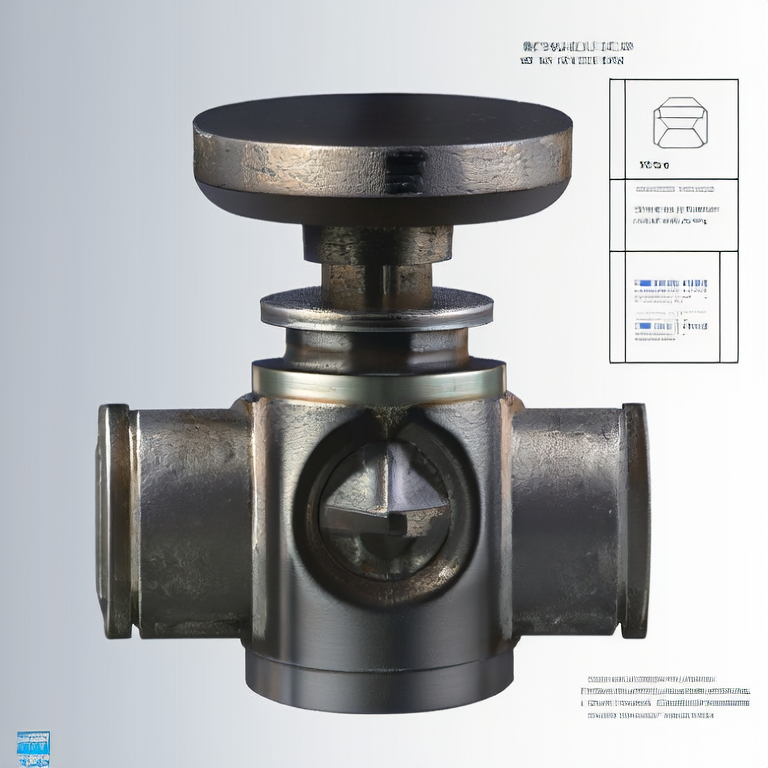
Common Errors and Solutions When Using Durable Castings
Despite best efforts, users may encounter various challenges when implementing durable pump and valve castings. Here are common errors and solutions:
- Error: Incorrect Material Selection
Solution: Conduct in-depth assessments of your operating environment before selecting materials. Consider key factors such as temperature, pressure, and chemical exposure.
- Error: Improper Installation
Solution: Follow manufacturer guidelines meticulously and engage professional technicians for installation processes to mitigate risks of misalignment.
- Error: Lack of Regular Maintenance
Solution: Develop a comprehensive maintenance schedule incorporating routine checks and replacements based on operational efficiency data.
Summary and Suggestions
Durable pump and valve castings can remarkably enhance equipment lifespan and performance, addressing common issues of wear and tear seen in many industrial settings. By implementing high-grade materials, following proper installation protocols, and maintaining a regular upkeep schedule, users can not only avoid costly repairs but also extend the operational capabilities of their equipment. Engaging experts from companies like Grande Precision Machinery can also provide personalized guidance, tailoring the solutions to your specific needs.
FAQ
1. What materials are best for pump and valve castings?
Ductile iron and stainless steel are often recommended due to their superior strength and corrosion resistance. Ductile iron, for instance, has proven to reduce wear rates substantially in high-demand applications.
2. How often should I inspect my pump and valve castings?
A routine inspection every three months is advisable, but more frequent checks may be necessary in high-stress environments to catch early signs of wear.
3. Can I install pump and valve castings myself?
While installation can be done independently, consulting professional technicians is highly recommended to ensure optimal alignment and functionality, reducing the risk of future failures.