News
Automotive manufacturing demands components that are strong, reliable, and capable of withstanding extreme operating conditions. As vehicle design evolves toward higher performance, better fuel efficiency, and enhanced safety standards, automobile castings play a critical role in supporting these goals.
From engine blocks and suspension components to transmission housings and structural parts, cast components are widely used in modern vehicles because they provide the strength, precision, and durability required for safe and efficient operation. This article explores how automobile castings contribute to improved structural strength and overall vehicle safety.
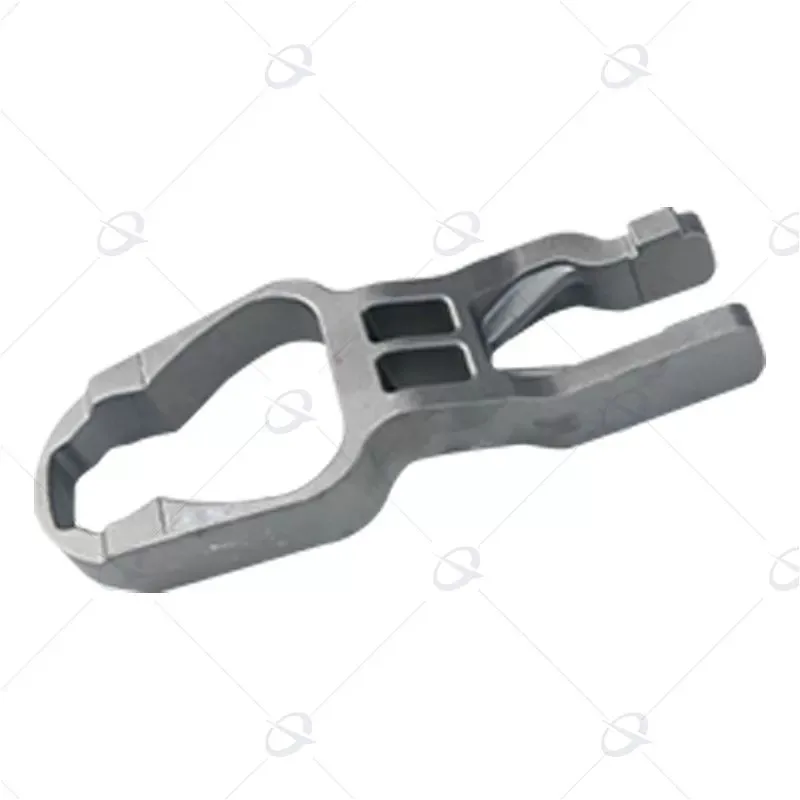
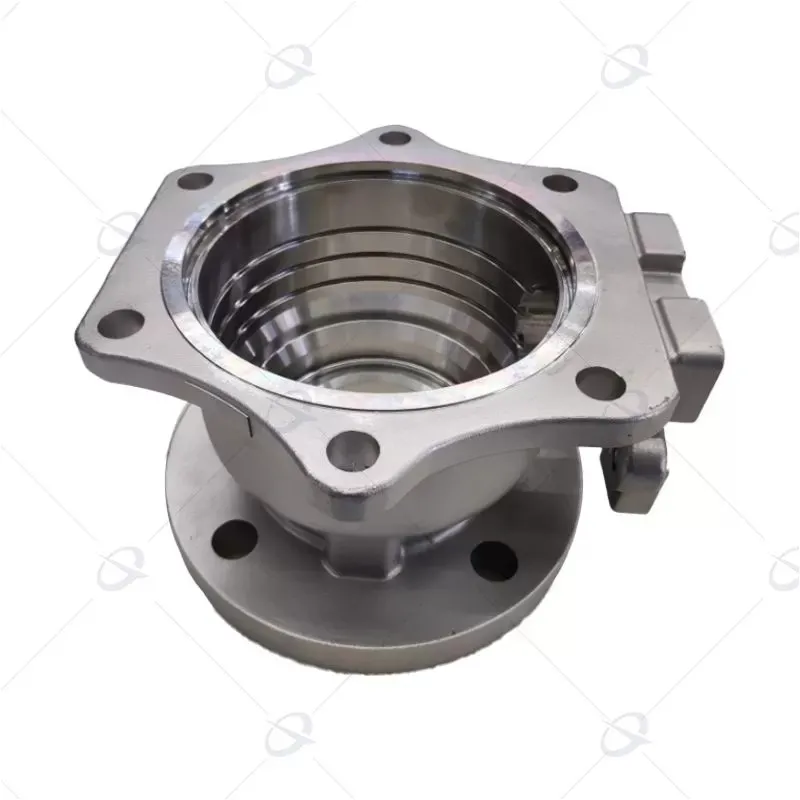
Automobile castings refer to metal components produced through casting processes specifically designed for automotive applications. In these processes, molten metal is poured into molds to create parts with precise shapes and mechanical properties.
Common casting methods used in the automotive industry include:
Sand casting
Investment casting
Die casting
Precision casting
Lost wax casting
These technologies enable manufacturers to produce complex components that would be difficult or costly to achieve using traditional machining methods.
Typical automotive casting components include:
Engine blocks
Cylinder heads
Transmission housings
Suspension arms
Brake components
Differential housings
Turbocharger housings
Each of these parts plays a vital role in vehicle strength, stability, and safety.

One of the primary ways automobile castings improve vehicle strength is through the use of advanced materials engineered for durability and load-bearing performance.
Common materials used in automobile castings include:
Ductile iron
Carbon steel
Aluminum alloys
Magnesium alloys
Stainless steel
High-strength alloy steels
These materials offer important mechanical properties such as:
High tensile strength
Excellent fatigue resistance
Impact resistance
Thermal stability
Corrosion resistance
For example, ductile iron castings are often used in suspension and drivetrain components because they provide excellent strength while absorbing stress and vibration during vehicle operation.
Casting technology allows engineers to design components with optimized structures that enhance strength without adding unnecessary weight.
Key structural advantages include:
Integrated component designs
Reinforced internal structures
Improved load distribution
Reduced weak points
Enhanced durability under stress
Instead of assembling multiple parts together, casting can produce single-piece components that reduce potential failure points and improve overall structural stability.
This is particularly important in:
Vehicle frames
Engine components
Safety-critical structural parts
By reducing joints and welds, casting technology increases reliability and structural performance.
Vehicle safety is a top priority in automotive engineering. Automobile castings contribute to improved crash resistance by providing components that can withstand high impact forces.
Cast components help enhance:
Energy absorption during collisions
Structural rigidity of the vehicle body
Protection of passengers and critical systems
Stability during high-speed driving
For example, suspension system castings and chassis components are designed to maintain structural integrity under sudden impact conditions. Strong cast parts help prevent catastrophic failure and support the vehicle's overall crash safety system.
Modern casting technologies allow for high precision and tight tolerances, which are essential for automotive safety.
Precision casting improves:
Component alignment
Load-bearing capacity
Fit between parts
Mechanical efficiency
Reliability of moving systems
Accurate dimensions are especially important in components such as:
Brake system parts
Steering system components
Transmission systems
Engine assemblies
Poorly manufactured parts can lead to vibration, wear, or failure, which is why high-quality automobile castings are essential for safety-critical applications.
Automotive manufacturers are constantly seeking ways to reduce vehicle weight to improve fuel efficiency and reduce emissions. Casting technology supports lightweight design while maintaining strong structural performance.
Lightweight casting solutions include:
Aluminum alloy castings
Magnesium alloy components
Thin-wall casting designs
Integrated structural castings
By reducing the number of separate parts and optimizing material usage, cast components help achieve a better strength-to-weight ratio, which improves both performance and safety.
Lighter vehicles also enhance:
Braking efficiency
Handling stability
Energy efficiency
Overall driving safety
Vehicles operate under a wide range of environmental and mechanical stresses, including:
High temperatures
Vibration and fatigue
Heavy loads
Corrosive environments
Continuous mechanical movement
Automobile castings are designed to handle these challenges by using durable materials and carefully controlled manufacturing processes.
This results in:
Longer component lifespan
Reduced risk of structural failure
Lower maintenance requirements
More reliable vehicle performance
Durable cast parts are especially important for commercial vehicles, heavy-duty trucks, and high-performance automobiles.
Modern automotive manufacturing requires large-scale production while maintaining consistent quality standards. Casting processes are well-suited for producing identical parts with reliable performance.
Quality control systems in automobile casting manufacturing often include:
Material testing
Dimensional inspection
Non-destructive testing
Mechanical property analysis
Surface integrity checks
These quality assurance measures ensure that every casting meets strict industry standards, helping manufacturers deliver safer and more reliable vehicles to the market.
As vehicles become more advanced, cast components must support new technologies such as:
Electric vehicle (EV) platforms
Lightweight structural architectures
High-performance engines
Autonomous driving systems
Automobile castings are evolving to meet these requirements by enabling:
Complex structural shapes
Integrated cooling systems
High-strength lightweight designs
Precision mounting structures for sensors and electronics
In electric vehicles, for example, large integrated cast structures are increasingly used to improve battery protection and overall vehicle rigidity.
Despite the rise of new manufacturing technologies, casting remains one of the most important production methods in the automotive industry. It provides the flexibility, strength, and efficiency required to manufacture modern vehicles at scale.
Automobile castings offer several long-term advantages:
Strong and reliable structural components
Cost-effective mass production
Design flexibility
High material efficiency
Improved vehicle safety performance
These benefits make casting a key part of automotive engineering and vehicle development.
Automobile castings play a vital role in improving the structural strength and safety of modern vehicles. Through advanced materials, optimized design, precision manufacturing, and strict quality control, casting technology supports the development of durable and reliable automotive components.
As the automotive industry continues to evolve with new safety standards and innovative vehicle designs, high-quality automobile castings will remain essential for building stronger, safer, and more efficient vehicles. Manufacturers that invest in advanced casting solutions can gain a significant advantage in performance, reliability, and long-term product quality.