News
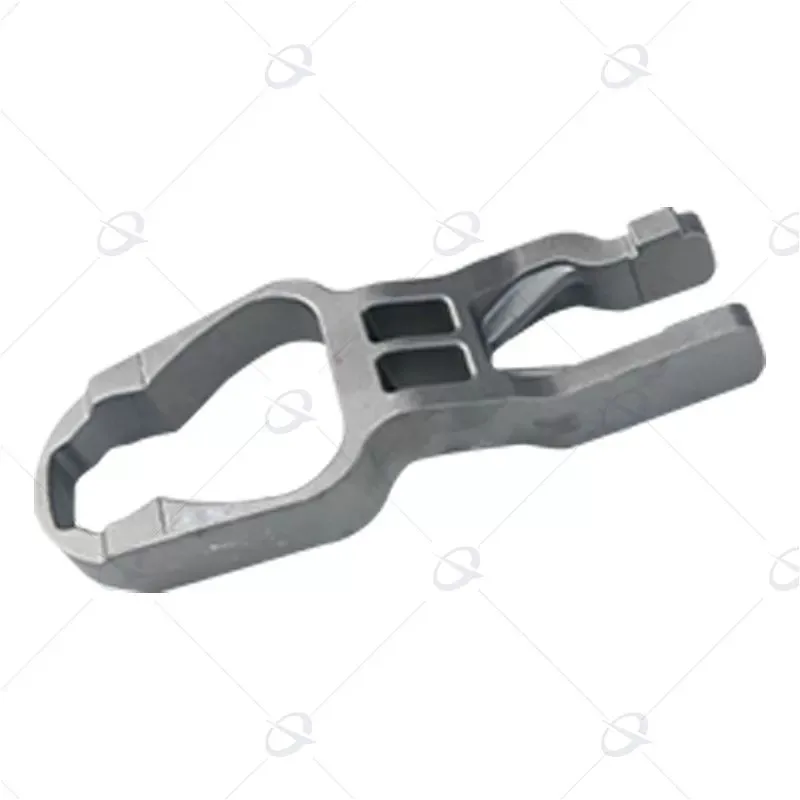
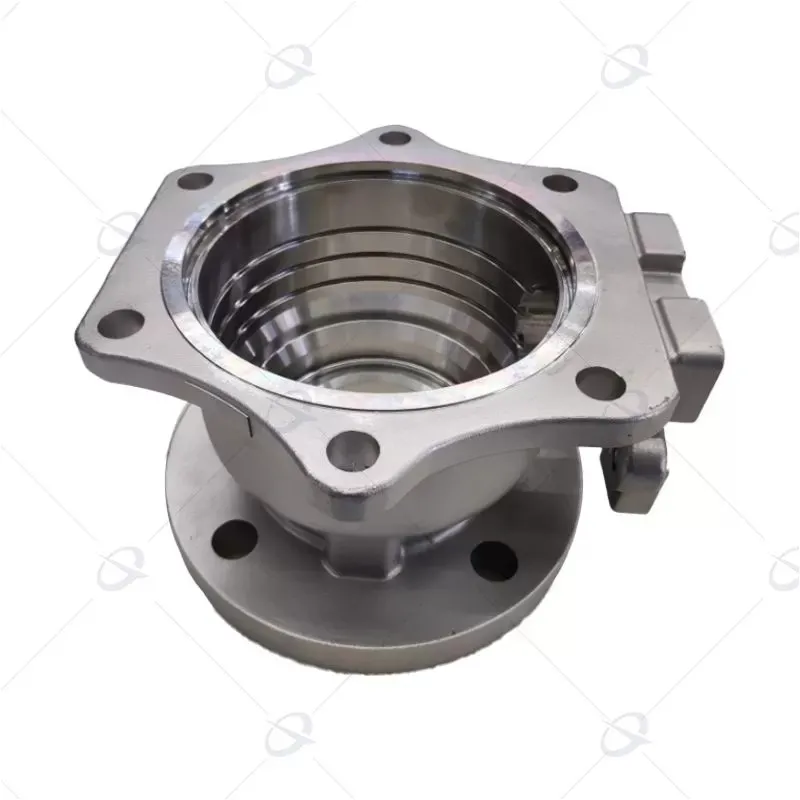
The automotive sector is constantly evolving, with manufacturers striving to enhance vehicle performance, safety, and efficiency. A key focus in this evolution is automotive castings. These components are essential to vehicle construction, offering multiple advantages that are critical for modern automotive manufacturing.
Automotive castings play a pivotal role in producing parts that are both complex and precise, essential for vehicle operation and structural integrity. The casting process involves pouring molten metal into a mold, allowing it to cool and solidify into the desired shape. This method offers high versatility, enabling the production of parts with intricate details and tight tolerances.

Sand Casting
One of the oldest and most widely used methods, sand casting involves shaping molds from sand. It is highly adaptable and cost-effective, particularly for producing large components. However, it may not always provide the highest level of precision or surface finish compared to more advanced methods.
Die Casting
Die casting forces molten metal under high pressure into a mold cavity, resulting in components with excellent dimensional accuracy and smooth surface finishes. This technique is well-suited for high-volume production of small to medium-sized automotive parts, delivering consistency and efficiency.
Investment Casting
Also called lost-wax casting, investment casting involves creating a wax model coated with ceramic. Once the ceramic hardens, the wax is melted away, leaving a mold into which metal is poured. This method excels in producing highly detailed and intricate parts, making it ideal for precision-critical automotive components.
The Rise of Semi-Solid Casting
In addition to traditional methods, the automotive industry is exploring innovative techniques to improve component performance and manufacturing efficiency. One of the emerging approaches is semi-solid casting, also known as thixoforming.
Semi-solid casting uses metal alloys in a partially solid, partially liquid state. This unique condition allows for superior control over material flow, producing parts with enhanced mechanical properties and lower porosity.
Enhanced Mechanical Properties
Components produced with semi-solid casting generally exhibit superior strength and toughness. The refined microstructure reduces defects and ensures more uniform material properties, resulting in reliable and durable parts.
Reduced Porosity
Porosity, or trapped air pockets within a casting, is a common challenge in traditional methods. Semi-solid casting significantly lowers porosity, producing stronger and more dependable automotive components.
Higher Precision
The semi-solid state allows precise control of material flow, resulting in components with improved dimensional accuracy and finer details. This is particularly valuable for complex parts requiring tight tolerances.
Material Efficiency
Semi-solid casting minimizes material waste by controlling metal distribution and flow. This reduces production costs and supports more sustainable manufacturing practices.
Automotive castings are widely used across vehicle manufacturing. Key components include:
Engine Blocks: Engine blocks house cylinders and other critical engine components. Cast iron and aluminum are commonly used, providing strength, durability, and heat resistance.
Transmission Housings: Castings protect gears and transmission mechanisms, ensuring durability under stress and long-term reliability.
Suspension Components: Parts such as control arms and knuckles require strength and precision to maintain vehicle stability and handling.
Brake Calipers: Cast aluminum is often used for brake calipers, offering the right combination of lightweight properties and strength necessary for effective braking performance.
Advanced Materials
The development of new alloys and composite materials will continue to improve casting performance, creating components that are lighter, stronger, and more durable.
Evolving Manufacturing Techniques
Innovative casting methods, such as semi-solid casting and additive-assisted techniques, will further enhance precision, mechanical properties, and production efficiency, supporting the trend toward advanced, high-performance vehicles.
Automotive castings remain a cornerstone of modern vehicle manufacturing, delivering the strength, precision, and durability required for essential components. While traditional casting methods continue to play a significant role, emerging techniques like semi-solid casting offer promising improvements in performance, efficiency, and material utilization. As the automotive industry advances, casting processes will continue to evolve, supporting more sophisticated and sustainable manufacturing practices.