News
Automobile castings are fundamental components in modern vehicle manufacturing, forming the structural and functional backbone of engines, transmissions, chassis systems, and electric vehicle platforms. From traditional internal combustion vehicles to new energy electric cars, high-quality automotive castings ensure performance, safety, durability, and cost efficiency.
This comprehensive guide explores automobile castings in terms of materials, manufacturing processes, applications, quality standards, and future trends—providing valuable insights for automotive OEMs, Tier 1 suppliers, and global buyers.
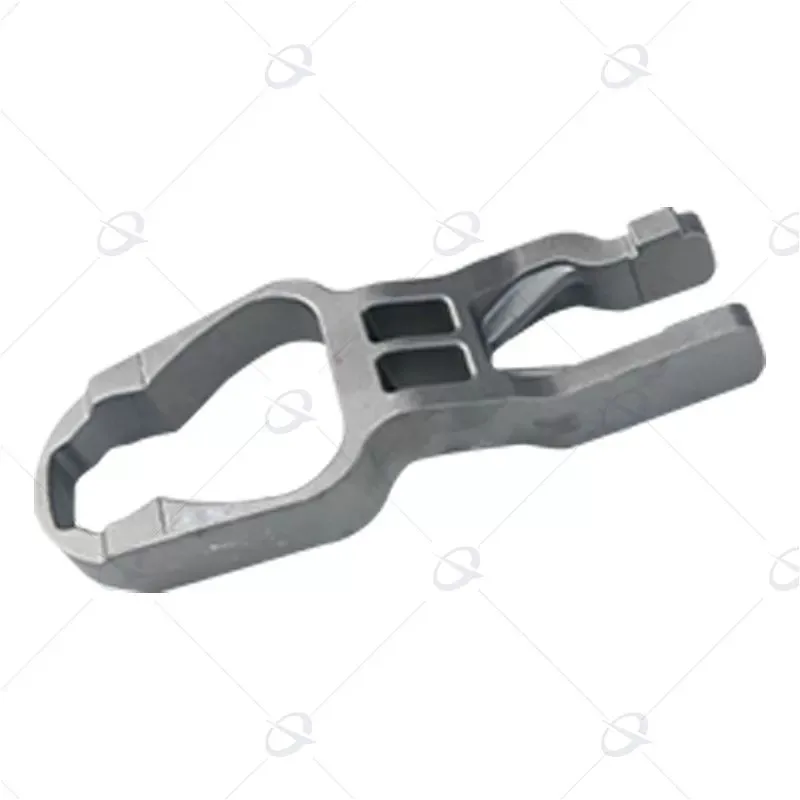
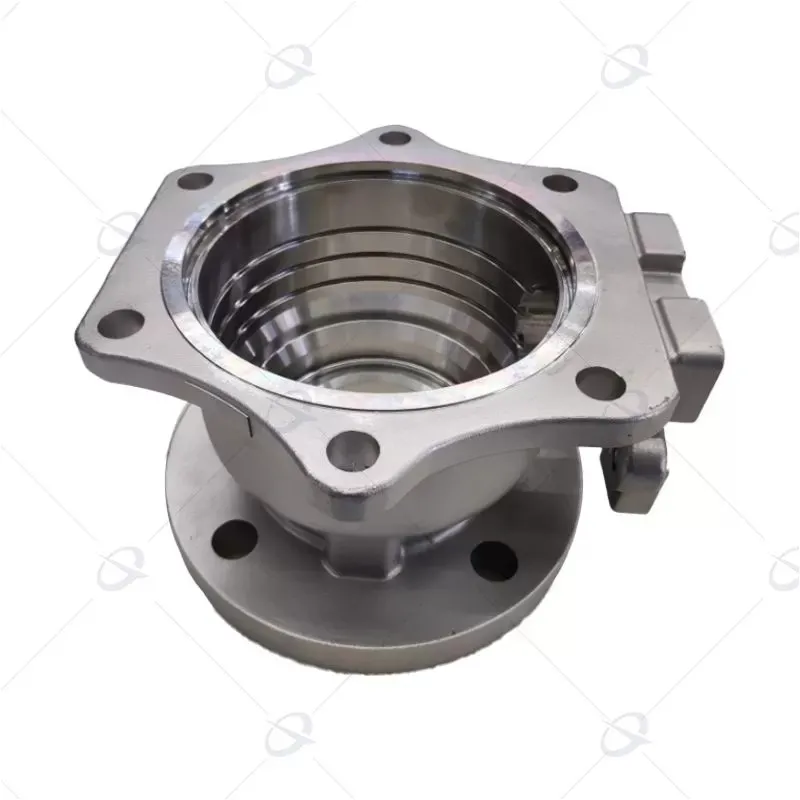
Automobile castings refer to metal components produced by casting processes specifically designed for automotive applications. These parts are created by pouring molten metal into molds to form complex shapes that would be difficult or expensive to achieve through machining or forging alone.
Automotive castings are widely used due to their:
High structural integrity
Design flexibility
Mass production capability
Excellent cost-performance ratio

Material selection directly impacts vehicle performance, weight, fuel efficiency, and safety.
Aluminum Castings
Aluminum is the most widely used material in automotive casting.
Key advantages:
Lightweight
High thermal conductivity
Corrosion resistance
Easy recyclability
Typical applications:
Engine blocks
Cylinder heads
Transmission housings
Battery enclosures (EV)
Cast Iron
Cast iron remains critical for high-load and high-temperature parts.
Benefits:
Excellent wear resistance
High compressive strength
Superior vibration damping
Used for:
Brake discs
Exhaust manifolds
Engine blocks (heavy-duty vehicles)
Magnesium Castings
Magnesium is one of the lightest structural metals.
Advantages:
Ultra-lightweight
Good machinability
Improved fuel efficiency
Used for:
Steering wheels
Instrument panel frames
Seat structures
Steel Castings
Steel is used where extreme strength is required.
Applications:
Suspension arms
Chassis brackets
Safety components
Die Casting
The most common process for aluminum automotive parts.
Features:
High production efficiency
Excellent surface finish
Tight dimensional tolerances
Used for:
Gearbox housings
Motor housings (EV)
Structural body parts
Sand Casting
Suitable for large or complex components.
Advantages:
Low tooling cost
Suitable for small batches
Flexible design
Used for:
Engine blocks
Cylinder heads
Differential housings
Investment Casting
Used for precision and complex parts.
Benefits:
Fine surface quality
High accuracy
Minimal machining
Used for:
Turbocharger components
Valve parts
Sensor housings
Low-Pressure and Gravity Casting
Ideal for thick-walled and high-integrity parts.
Applications:
Wheels
Suspension components
Subframes
Powertrain Systems
Engine blocks
Cylinder heads
Crankcases
Transmission cases
Chassis and Suspension
Control arms
Subframes
Steering knuckles
Braking System
Brake calipers
Brake discs
Mounting brackets
Electric Vehicle (EV) Components
Motor housings
Battery trays
Inverter enclosures
Structural body castings
Automobile castings must comply with strict automotive standards:
IATF 16949 – Automotive quality management
ISO 9001 – General manufacturing quality
PPAP / APQP – Automotive production approval
ASTM / DIN / JIS – Material standards
OEM-specific standards (VW, BMW, Toyota, Tesla, etc.)
Quality control includes:
Chemical composition analysis
X-ray inspection
CMM dimensional measurement
Fatigue and pressure testing
Automobile castings provide multiple competitive advantages:
Reduced vehicle weight
Lower production cost
High design flexibility
Improved thermal performance
Mass production scalability
These benefits make casting essential for both traditional and electric vehicle manufacturing.
Most automotive brands rely on custom casting solutions to meet proprietary design requirements.
Customization services include:
3D design support
Mold development
Rapid prototyping
Surface treatment
Assembly and packaging
OEM/ODM suppliers also assist with:
Lightweight structural optimization
Cost-down engineering
Compliance documentation
Surface treatments enhance durability and appearance:
Powder coating – Corrosion protection
Anodizing – Aluminum oxidation resistance
Electroplating – Wear resistance
Shot blasting – Improved surface quality
Key challenges include:
Increasing lightweight requirements
Complex EV structural designs
Strict OEM quality audits
Rising energy costs
Environmental regulations
Manufacturers must invest in automation, simulation software, and green production technologies.
Integrated Structural Castings
Large-scale integrated die casting (Gigacasting):
Reduces part count
Lowers assembly cost
Improves vehicle rigidity
Used by leading EV manufacturers.
Lightweight Materials
More adoption of:
Aluminum-magnesium alloys
Composite hybrid structures
Smart Manufacturing
AI quality inspection
Digital twin simulation
Real-time production monitoring
Sustainable Casting
Recycled aluminum
Energy-efficient furnaces
Carbon footprint reduction
Key selection criteria:
Automotive certifications (IATF 16949)
OEM project experience
Advanced die casting equipment
In-house testing capabilities
Engineering support team
Stable global supply chain
A reliable supplier should offer full lifecycle services from design to mass production.
Automobile castings are indispensable to the global automotive industry, enabling the production of high-performance, lightweight, and cost-effective vehicles. With the rapid growth of electric vehicles and smart manufacturing, casting technology is evolving toward larger integrated parts, smarter processes, and greener production.
For automotive OEMs and Tier suppliers, partnering with a professional automobile casting manufacturer is a strategic move to ensure product quality, innovation, and long-term competitiveness in the global market.