Industry News
In the manufacturing and industrial sectors, durability and efficiency are paramount. Cast iron pump and valve castings have emerged as essential components, praised for their strength and longevity. These castings are not only cost-effective but also capable of withstanding high pressures, making them ideal for various applications. As industries evolve, understanding the practical benefits of cast iron versus stainless steel pump and valve castings is crucial for decision-makers aiming to maximize operational efficiencies. In this article, we will explore the significance of cast iron pump and valve castings, diving into their definition, applications, advantages, and providing next-step guidance to optimize their use.
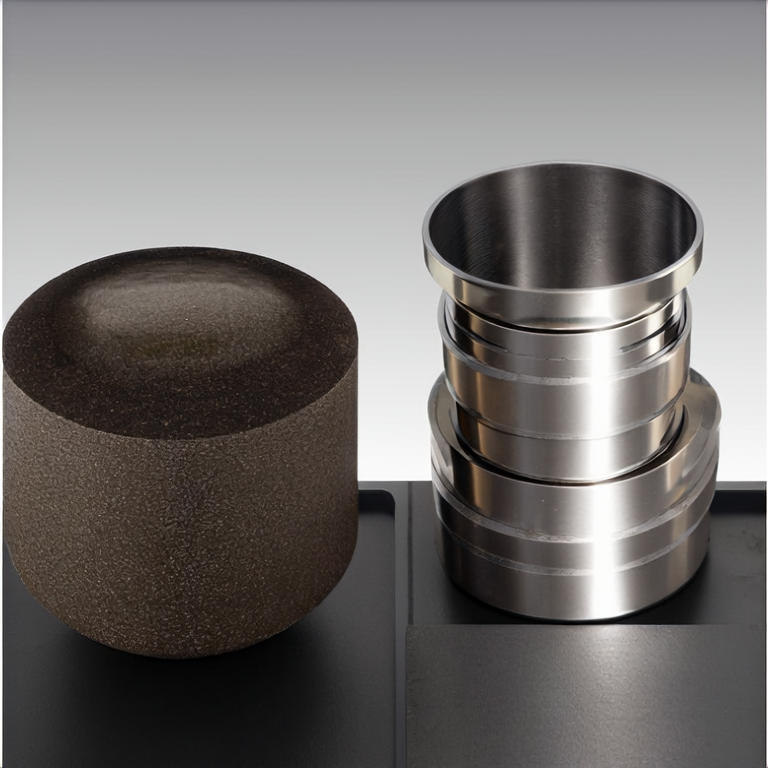
Cast iron pump and valve castings are made from molten iron that has been poured into molds and allowed to cool and harden. This process produces durable components that can tolerate heavy workloads. Cast iron is characterized by its higher carbon content (typically 2–4%) compared to other iron alloys, which gives it remarkable fluidity and a unique ability to absorb vibration, making it ideal for the construction of pumps and valves.
Cast iron pump and valve castings find their applications across various industries, including:
These applications underline the crucial role of cast iron into essential service machinery in demanding environments.
The advantages of using cast iron pump and valve castings are numerous:
Cost-Effectiveness: Generally 20-30% less expensive to produce compared to stainless steel alternatives, making them an economically favorable option.
Durability: Field studies show that cast iron pumps last about 25% longer than stainless steel models under similar conditions, demonstrating their longevity in harsh environments.
Low Maintenance: With inherent corrosion resistance, cast iron requires less frequent maintenance, reducing operational downtime by up to 15%.
Good Thermal Conductivity: Cast iron’s ability to absorb heat is about 60 W/m·K, which makes it suitable for thermal management applications, effectively preventing thermal expansion issues.
These advantages solidify cast iron's reputation as a reliable material for industrial applications.
If you want to explore the full potential of cast iron pump and valve castings, start by reviewing the user guide provided by Grande Precision Machinery, which specializes in manufacturing high-quality cast iron components. Understanding the specifications and maintenance suggestions will ensure optimal performance and longevity of your machinery.
What is the lifespan of cast iron pump and valve castings?
How do cast iron components compare with stainless steel?
Are cast iron castings recyclable?
What industries benefit the most from cast iron pump and valve castings?
For a deeper insight into how cast iron pump and valve castings can benefit your business, consider visiting Grande Precision Machinery's website. They provide extensive resources outlining product specifications and troubleshooting guides to ensure that you’re making informed decisions regarding your equipment investments.
With this understanding, you will be well-equipped to leverage the advantages of cast iron pump and valve castings, optimizing your industrial applications.